Introduction
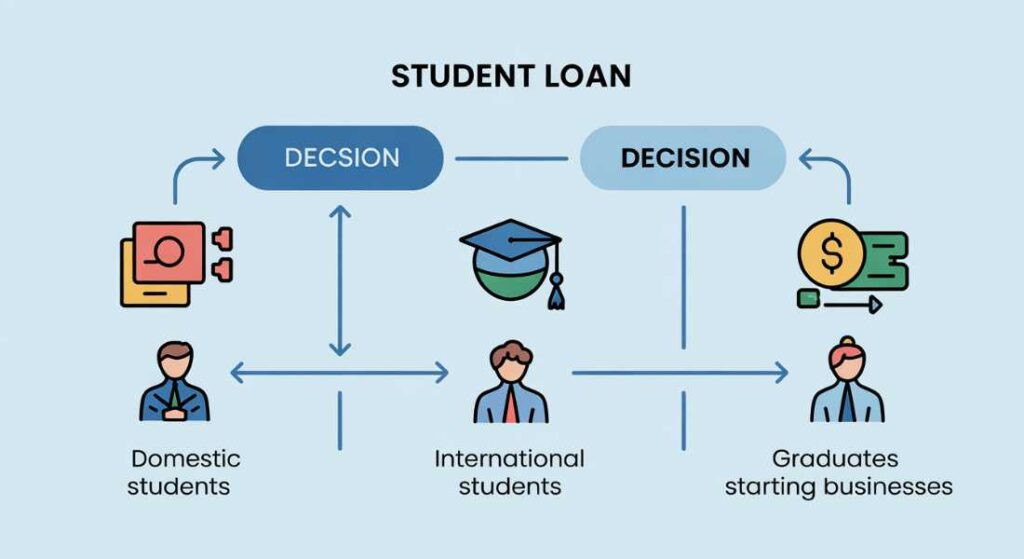
Traceloans com student loans are financial tools designed to help students access educational funding by connecting them with multiple lending partners through a single platform.
This comprehensive guide explores how the platform works and what alternatives exist for students seeking affordable education financing.
Understanding your loan options is critical whether you’re studying domestically or abroad. The right choice can save thousands in interest and provide flexible repayment terms that match your financial situation after graduation.
This article covers everything from how traceloans operates to specialized loan products for international students and startups. You’ll learn about cosigner requirements and discover platforms that cater to unique borrower needs.
What Are Traceloans Com Student Loans
Traceloans functions as a loan comparison marketplace that connects borrowers with potential lenders. The platform allows students to submit one application and receive multiple loan offers from different financial institutions.
This approach saves time because you don’t need to apply separately with each lender. The service typically works with private lenders who offer various loan products including undergraduate loans and graduate school financing.
The platform evaluates your credit profile and matches you with lenders most likely to approve your application. This process helps students find competitive interest rates and terms that suit their individual circumstances.
How the Application Process Works
Starting your search on traceloans com student loans begins with filling out a basic information form. You’ll provide details about your education plans and financial background.
The system then analyzes your information and presents loan options from participating lenders. Each offer includes interest rates and repayment terms so you can compare side by side.
After reviewing options you can proceed with the lender that offers the best terms. The final approval process happens directly with the chosen lending institution.
International Student Loan Options
International students face unique challenges when seeking educational financing due to limited credit history in their host countries and lack of local cosigners. The global education market has responded by creating specialized loan products that accommodate these circumstances.
These programs typically evaluate factors beyond traditional credit scores including academic performance and expected career earnings. Understanding the available options helps international students access the funding they need without unnecessary barriers.
The landscape includes both platform-based solutions and direct lender programs designed specifically for cross-border education financing. Each option presents different requirements and benefits worth careful consideration.
Student Loans for International Students in USA Without Cosigner
Finding financing as an international student in America without a US cosigner presents significant obstacles with traditional lenders. Many banks require domestic guarantors which creates immediate barriers for students without American connections.
Several specialized lenders now offer products specifically designed for international students studying in the United States. These programs evaluate your academic program and future earning potential rather than requiring a domestic guarantor.
The approval process may require proof of enrollment at an accredited institution and demonstration of sufficient income potential after graduation. Interest rates for these loans typically run higher than cosigned alternatives due to increased lender risk.
International Student Loans for African Students
African students studying abroad face specific funding challenges due to limited banking relationships between continents and currency exchange complexities. Specialized programs have emerged to address this gap in the international education financing market.
These loan products often partner with universities directly to streamline the approval process and reduce administrative barriers. Some lenders focus exclusively on students from specific African nations or regions based on established relationships with educational institutions.
Application requirements usually include acceptance letters from recognized institutions and sometimes proof of partial funding sources. The goal is making international education accessible without traditional banking barriers that have historically excluded African students.
Student Loan for International Students in Europe
European education attracts students worldwide due to lower tuition costs in many countries and the quality of academic programs. However international students still need funding for living expenses and program fees even when tuition remains affordable.
Several European financial institutions now offer student loans to non-EU residents studying within the continent. These products account for the different cost structures and education systems across European nations.
Repayment terms often align with European employment patterns and provide grace periods that match typical job search timelines after graduation.
Currency considerations become important when borrowing in euros or other European currencies especially for students planning to work outside Europe after completing their studies.
Specialized Lending Platforms
The student loan industry has evolved beyond traditional banks to include technology-driven platforms that use alternative underwriting methods. These specialized services often provide better terms for borrowers who don’t fit conventional lending criteria.
Platform-based lenders leverage data analytics and partnerships to offer competitive rates and flexible terms. Understanding how these platforms operate helps students make informed borrowing decisions.
Two notable platforms have gained recognition for serving international students and domestic borrowers seeking alternative financing solutions.
Earnest International Student Loan
Earnest has built a reputation for flexible underwriting that considers factors beyond traditional credit scores when evaluating applications.
Their international student program evaluates academic performance and chosen field of study as key indicators of repayment ability.
The platform offers both fixed and variable rate options allowing borrowers to choose based on their risk tolerance. Borrowers can customize repayment terms and receive rate discounts for certain behaviors like automatic payments.
The application process is entirely online and decisions typically arrive within days rather than weeks. Earnest partners with select schools to offer enhanced terms for students at participating institutions creating additional value for certain borrowers.
Juno International Student Loan
Juno takes a unique group buying approach to secure better rates for members by leveraging collective negotiating power. The platform negotiates with lenders on behalf of student groups to achieve discounts that individual borrowers cannot access.
International students can join Juno communities specific to their school or program creating targeted groups with similar needs. The collective bargaining power often results in rate reductions compared to individual applications.
Membership is free and Juno earns compensation from lenders rather than charging students directly. This model aligns incentives because better rates for students mean more volume for the platform and sustained business relationships.
Global Student Loan Community
The concept of a global student loan community represents a shift toward peer support and information sharing in educational financing. These communities help students navigate complex international lending landscapes through collective knowledge.
Online forums and platforms connect borrowers across borders to share experiences with different lenders and application strategies. Members discuss approval rates and provide insights about application strategies that proved successful.
Some communities organize group applications to negotiate better terms collectively similar to formal platforms. This approach mirrors the Juno model but operates through informal student networks rather than formal platforms with corporate structures.
Business Financing for Graduates
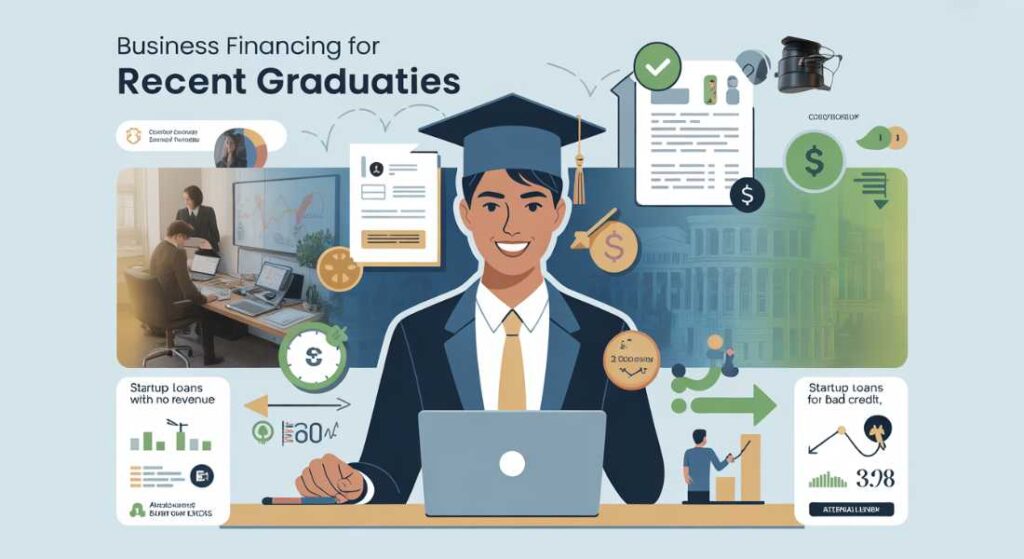
Recent graduates increasingly pursue entrepreneurship as a career path but face challenges accessing traditional business financing. The gap between graduation and established business revenue creates unique funding needs.
Alternative lenders have developed products specifically for new graduates launching businesses without existing revenue streams. Understanding these options helps ambitious graduates turn educational achievement into business success.
Two categories of startup financing have emerged to serve graduates with entrepreneurial ambitions despite lacking traditional business qualifications.
Startup Business Loans with No Revenue
Recent graduates often pursue entrepreneurship but lack the revenue history traditional lenders require for approval. Several alternative lenders now offer startup financing based on business plans and founder credentials rather than existing cash flow.
These loans evaluate your education background and industry experience rather than existing cash flow statements. The underwriting process focuses on market opportunity and the viability of your business model as predictors of success.
Interest rates vary widely based on perceived risk but terms are generally shorter than traditional small business loans. Many products include mentorship components alongside capital to improve success rates and protect lender investments.
Startup Business Loans for Bad Credit Guaranteed
The term guaranteed can be misleading in lending because approval always depends on multiple factors and no legitimate lender truly guarantees approval. However some lenders specialize in working with borrowers who have credit challenges or limited credit history.
These products often require collateral or personal guarantees to offset credit risk and protect lender interests. Interest rates run significantly higher than prime lending but provide access when traditional banks decline applications outright.
Alternative structures like revenue-based financing have gained popularity for startups with credit issues. These arrangements tie repayment to business income rather than fixed monthly payments creating flexibility during early business stages.
Finding Contact Information
Access to support resources becomes crucial when navigating the loan application and management process. Understanding how to reach assistance helps resolve issues quickly and avoid misunderstandings about terms or obligations.
The traceloans platform provides multiple channels for borrower support throughout the application journey.
Traceloans Com Student Loans Contact
When you need assistance navigating traceloans com student loans the platform provides several support channels for different types of inquiries. Most questions can be answered through their comprehensive FAQ section and resource library available on the website.
Direct contact options typically include email support and sometimes phone assistance during business hours for more complex situations. Response times vary but most inquiries receive replies within one business day according to standard customer service protocols.
For specific loan questions after receiving offers you’ll work directly with the lending institution rather than the comparison platform. Each lender maintains their own customer service team for approved applications and ongoing account management.
Comparing Interest Rates and Terms
Understanding the true cost of any loan requires looking beyond the advertised interest rate to examine all cost components. Annual percentage rate includes fees and provides a more complete picture of total costs over the life of the loan.
Fixed rates offer payment stability throughout the repayment period while variable rates may start lower but carry risk of increases. Your choice should reflect your risk tolerance and expected income trajectory after graduation.
Repayment terms ranging from five to twenty years dramatically impact monthly payments and total interest paid. Shorter terms mean higher monthly payments but significant interest savings over the life of the loan creating trade-offs worth careful evaluation.
Eligibility Requirements
Most private student lenders require borrowers to be enrolled at least half time in an eligible program at an accredited institution. The institution must typically hold regional or national accreditation to qualify for lending programs.
Credit requirements vary by lender but most require a minimum score in the mid 600s for approval without a cosigner. International students face additional requirements including visa status verification and proof of enrollment.
Income considerations become relevant for loans without cosigners as lenders want assurance of repayment ability. Some products allow consideration of future income based on your field of study rather than current earnings.
The Role of Cosigners
A cosigner with strong credit can dramatically improve loan terms and approval odds for borrowers with limited credit history. This person agrees to repay the debt if the primary borrower cannot meet obligations creating security for lenders.
Many lenders offer cosigner release provisions after a certain number of on-time payments typically ranging from 12 to 36 months. This feature allows the primary borrower to eventually remove the cosigner’s obligation once they demonstrate payment reliability.
Choosing a cosigner impacts that person’s credit utilization and borrowing capacity for their own financial needs. Both parties should understand the implications before entering into this legal commitment that appears on both credit reports.
Repayment Options and Flexibility
Modern student loans offer various repayment approaches beyond standard monthly payments to accommodate different financial situations. Some lenders allow interest-only payments while in school to reduce the total amount owed at graduation.
Income-driven repayment options tie monthly payments to your post-graduation earnings rather than fixed amounts. These plans provide relief during early career years when income is typically lower than future earning potential.
Deferment and forbearance options provide temporary payment relief during financial hardship such as unemployment or medical emergencies. Understanding these safety nets before borrowing helps you evaluate true loan flexibility beyond the basic terms.
Building Credit While Borrowing
Responsible management of traceloans com student loans can help establish positive credit history that benefits your financial future. On-time payments demonstrate reliability to future lenders when you apply for mortgages or auto loans.
Keeping balances reasonable relative to your future income protects your debt-to-income ratio. This metric becomes crucial when applying for mortgages or other major loans after graduation because lenders evaluate total monthly obligations.
Monitoring your credit report throughout school helps catch errors early and tracks your progress toward strong credit standing. Many lenders offer free credit monitoring to active borrowers as part of their customer service programs.
Alternatives to Private Loans
Federal student loans should always be your first consideration before exploring private options due to superior protections. These government-backed products offer superior consumer protections and flexible repayment terms including income-driven options and potential forgiveness programs.
Scholarships and grants provide funding that never requires repayment making them the most valuable form of educational financing. Investing time in applications can significantly reduce total borrowing needs and decrease post-graduation debt burden.
Work-study programs allow you to earn money while gaining relevant experience in your field of study. Part-time employment during school reduces loan dependence and builds your resume simultaneously creating dual benefits.
Making the Final Decision
Choosing the right student loan requires careful comparison of all available options using objective criteria. Create a spreadsheet listing interest rates and total repayment amounts for each offer to visualize long-term costs.
Consider not just immediate costs but long-term implications for your financial flexibility after graduation. The cheapest monthly payment isn’t always the best deal if it extends repayment for decades and increases total interest paid.
Read all loan documents carefully before signing and ask questions about anything unclear in the terms. This contract will impact your finances for years so understanding every term is essential to avoiding regret.
Conclusion
Finding the right educational financing requires research and careful comparison of available options based on your unique circumstances.
Whether you’re a domestic student exploring traceloans com student loans or an international student seeking alternatives without cosigner requirements the key lies in understanding total costs and long-term implications.
Start your search early to allow time for thorough evaluation of multiple offers and proper documentation gathering. Remember that the lowest advertised rate doesn’t always represent the best overall value when you consider fees and repayment flexibility.
Your education represents an investment in your future earning potential and career opportunities.
Choose financing that supports your goals without creating overwhelming debt burdens that limit post-graduation choices. With proper planning and informed decisions you can fund your education while maintaining long-term financial health.
Traceloans Com is your comprehensive guide to navigating the complex world of student loans and finding the perfect financing option for your education. Whether you’re a high school senior preparing for college, a current student looking for additional funding, or a graduate considering refinancing options, understanding the different types of student loans available is crucial for making informed financial decisions.
Learn about federal student loans with their fixed interest rates and flexible repayment plans, private student loans from banks and credit unions, income-driven repayment options, and loan forgiveness programs that can help reduce your debt burden.
Discover essential tips on comparing interest rates, understanding loan terms and conditions, calculating how much you actually need to borrow, and avoiding common mistakes that lead to overwhelming debt after graduation.
From FAFSA application guidance and eligibility requirements to smart borrowing strategies and repayment planning, Traceloans Com provides the knowledge and tools you need to finance your education wisely without compromising your financial future.
FAQS
What makes traceloans com student loans different from direct lender applications?
Traceloans com student loans function as a marketplace connecting you with multiple lenders through one application. This saves time compared to applying individually with each financial institution and allows for easy comparison of terms and rates from various sources.
Can international students qualify without a US cosigner?
Yes several specialized lenders offer loans to international students without requiring a US cosigner.
These products typically have higher interest rates and stricter eligibility requirements including enrollment verification and proof of future earning potential in your field of study.
How long does the approval process typically take?
Initial offers through comparison platforms often arrive within minutes to hours after submitting your application.
Final approval from your chosen lender usually takes three to seven business days depending on documentation requirements. International applications may require additional processing time for visa verification.
Do these loans offer any form of loan forgiveness?
Private student loans rarely include forgiveness provisions unlike federal loan programs. Some lenders offer discharge in cases of death or permanent disability but terms vary significantly by institution. Always review specific lender policies before borrowing.
Can I refinance my student loans after graduation?
Refinancing becomes an excellent option once you establish steady income and strong credit history post-graduation.
This process can lower your interest rate and adjust repayment terms but means losing any benefits specific to your original loan including cosigner release provisions.
What happens if I cannot make my monthly payments?
Contact your lender immediately if you anticipate payment difficulties to explore available options.
Most offer temporary forbearance or modified payment plans though interest typically continues accruing. Defaulting on private student loans damages credit severely and may result in wage garnishment or legal action.