Introduction
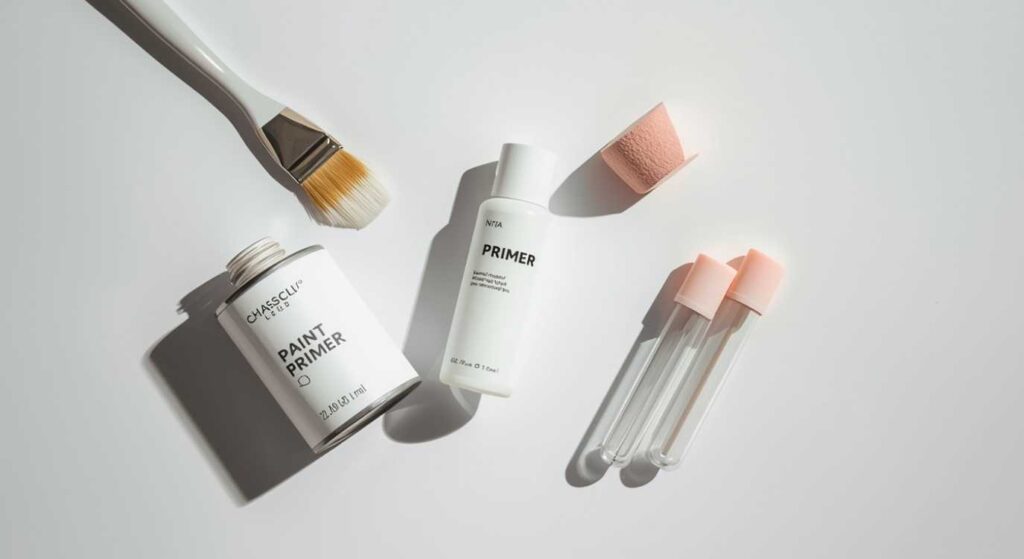
Primerem products and primer solutions are essential tools across multiple fields, from home improvement to molecular biology.
Whether you’re preparing walls for painting, creating a flawless makeup base, or working in a laboratory with DNA sequences, understanding primers can transform your results.
This comprehensive guide explores everything you need to know about selecting the right primer brand, understanding proper application techniques, and grasping the science behind primers in different contexts.
Many people struggle with achieving professional results because they skip the primer step or choose the wrong product. This guide will help you make informed decisions and achieve better outcomes in your projects.
Understanding What Primers Are and Their Core Purpose
Primers serve as preparatory coatings or substances that create an ideal foundation for subsequent layers.
In painting, a primer creates a uniform surface that helps paint adhere better and last longer. Without this crucial layer, paint may peel, show uneven color, or require multiple coats to achieve proper coverage.
The purpose extends beyond simple adhesion. Primers seal porous surfaces, block stains, and prevent moisture damage. They also help save money by reducing the amount of topcoat needed for complete coverage.
In cosmetics, primers create a smooth canvas for makeup application. They fill fine lines, minimize pores, and help makeup stay in place throughout the day. The right cosmetic primer can dramatically extend wear time and improve the overall finish of your makeup.
Which Brand Offers the Best Primer Solutions
Selecting the best primer brand depends entirely on your specific application and requirements.
For wall painting, professional contractors often recommend brands like Zinsser, Kilz, and Benjamin Moore. These manufacturers have proven track records for quality and performance across various surfaces.
Zinsser primers excel at blocking stains and odors, making them ideal for problem areas. Their shellac-based products can seal in smoke damage, water stains, and tannin bleed-through that other primers might miss.
Kilz offers excellent adhesion primers for slick surfaces like glossy paint or tile. Their products bond well to challenging materials and provide a solid foundation for topcoats. Many DIY enthusiasts prefer Kilz for its balance of quality and affordability.
For cosmetic primers, brands like Smashbox, NYX, and e.l.f. dominate the market. Smashbox Photo Finish Primer remains a professional favorite for its silky texture and pore-minimizing effects.
NYX provides budget-friendly options that perform remarkably well, while e.l.f. offers specialized primers for different skin concerns.
In laboratory settings, companies like Thermo Fisher Scientific and Integrated DNA Technologies (IDT) lead primer synthesis for research applications. These brands ensure high purity and accurate sequences critical for scientific work.
The Primary Functions and Benefits of Using Primers
Surface Preparation and Protection
Primers transform rough or porous surfaces into smooth, sealed foundations. They penetrate into the material, creating a barrier that prevents the topcoat from being absorbed unevenly.
This preparation step is especially important on new drywall, bare wood, or previously painted surfaces with different finishes.
The protective quality of primers cannot be overstated. They shield surfaces from moisture penetration, which can cause wood to warp, drywall to crumble, or metal to rust. Quality primerem applications extend the lifespan of your finished project significantly.
Enhanced Adhesion and Coverage
Paint adheres to primer far better than to bare surfaces. This improved bonding means your topcoat will resist chipping, peeling, and flaking for years longer than paint applied directly to unprepared surfaces.
The molecular structure of primers is specifically designed to grip both the surface below and the paint above.
Coverage improves dramatically when you use primer first. Dark colors cover more easily, bright colors appear more vibrant, and you typically need fewer coats to achieve the desired finish. This efficiency saves both time and money on your project.
Stain Blocking and Color Uniformity
Specialized primers block stains from bleeding through your new paint. Water stains, smoke damage, crayon marks, and wood tannins all have the potential to discolor fresh paint. A proper stain-blocking primer creates an impermeable barrier that keeps these issues hidden.
Color uniformity becomes much easier to achieve over primer. When painting a light color over dark walls, primer prevents the old color from showing through. It creates a neutral base that allows your chosen color to appear true to the paint chip you selected.
Comparing Primer Versus Paint with Primer Included
Understanding Paint and Primer Combinations
Paint products marketed as containing primer combined with paint promise convenience by eliminating a separate priming step.
These combination products do contain higher levels of resins and binders than standard paint, which can improve adhesion and coverage in some situations.
However, these all-in-one products work best only under ideal conditions. They perform adequately on surfaces that are already painted with a similar color, clean, smooth, and free from damage or stains. For most other scenarios, a dedicated primer provides superior results.
When Separate Primer Application Is Better
Using a standalone primer proves essential for challenging surfaces and situations. New drywall absolutely requires primer because the bare paper absorbs paint unevenly, creating a blotchy appearance called flashing.
No paint-and-primer combination can prevent this problem as effectively as true primer.
Dramatic color changes demand separate priming. Covering dark red walls with pale yellow paint requires a proper primer to prevent the red from showing through. Paint-and-primer products simply lack the hiding power needed for such transformations.
Damaged surfaces, stained areas, and slick finishes all benefit from dedicated primers formulated for specific problems.
Trying to save time with combination products on these surfaces typically results in poor adhesion, visible stains, or inadequate coverage requiring extra coats anyway.
Cost and Time Considerations
While paint-and-primer products seem economical, they often cost more per gallon than standard paint.
When projects require multiple coats of the combination product to achieve results that one coat of primer plus one coat of paint would deliver, you actually spend more money.
True primers are formulated specifically for preparation, not decoration. They dry quickly, sand smoothly if needed, and create the perfect foundation.
Topcoat paints are formulated for durability, color retention, and washability. Using each product for its intended purpose yields the best long-term results.
Understanding DNA Primers in Molecular Biology
The Role of Primers in DNA Replication
In molecular biology, a DNA primer is a short strand of nucleic acid that serves as a starting point for DNA synthesis.
These molecules are essential for the polymerase chain reaction (PCR), DNA sequencing, and various other laboratory techniques that require copying specific DNA sequences.
DNA primers are typically 18 to 25 nucleotides long and are designed to bind to a specific complementary sequence on the DNA template.
This binding provides the 3′ hydroxyl group that DNA polymerase enzymes need to begin adding nucleotides and extending the DNA strand.
How Scientists Design and Use DNA Primers
Primer design requires careful consideration of several factors including melting temperature, GC content, and potential for secondary structures.
Scientists use specialized software to create primers that will bind specifically to their target sequence without forming unwanted structures or binding to incorrect locations in the genome.
The primerem approach in laboratory settings involves synthesizing these short DNA sequences chemically. Companies specialize in producing custom primers with high purity and accuracy, which is critical for reliable experimental results.
Even a single incorrect nucleotide can prevent proper binding or lead to amplification of the wrong DNA sequence.
Applications Beyond Basic Research
DNA primers have revolutionized medicine, forensics, and biotechnology. In diagnostic testing, primers enable rapid detection of pathogens by amplifying specific genetic sequences unique to disease-causing organisms. COVID-19 PCR tests rely on primers designed to recognize viral RNA sequences.
Forensic scientists use primers to amplify DNA from crime scenes, even from tiny samples like a single hair or trace amounts of blood.
This amplification makes it possible to generate DNA profiles for identification purposes. The precision of modern primer design ensures that results are both accurate and reproducible.
Selecting the Right Primer for Your Specific Project
Evaluating Surface Type and Condition
The surface you’re working with dictates which type of primer you should choose. Porous surfaces like bare drywall or wood require primers with good sealing properties.
Metal surfaces need primers with rust-inhibiting properties. Glossy surfaces require primers designed to bond with slick finishes.
Assess the condition carefully before shopping. Is there water damage, smoke staining, or crayon marks? These problems require specialty primers with strong blocking capabilities. Clean, previously painted surfaces in good condition may only need a basic bonding primer.
Matching Primer to Topcoat Type
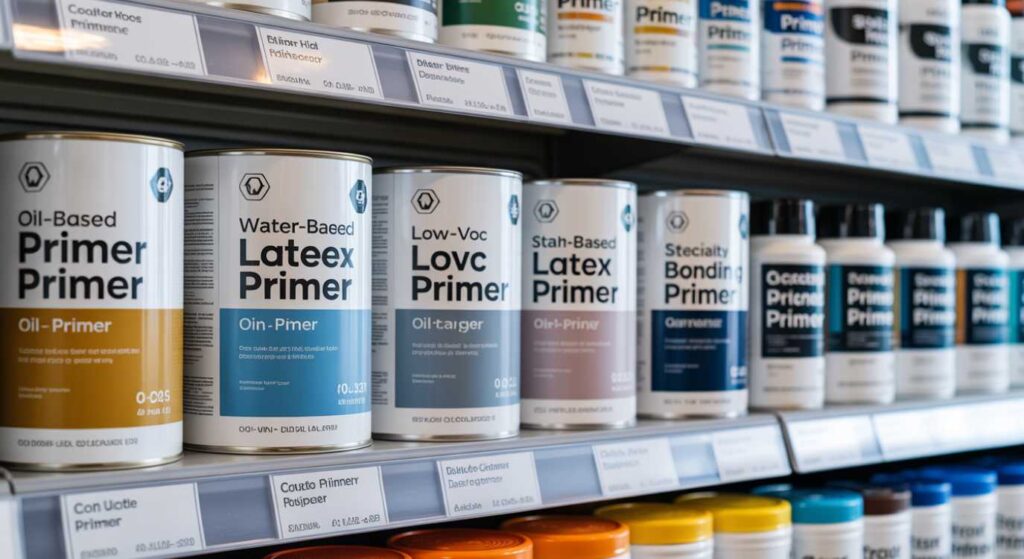
Water-based latex paint requires latex primer for best compatibility. Oil-based paints traditionally paired with oil-based primers, though modern acrylic primers now work well with many oil topcoats. Check manufacturer recommendations to ensure your primer and paint are compatible.
Specialty finishes like metallic paints or textured coatings may have specific primer requirements. Always read the topcoat manufacturer’s instructions, as using an incompatible primer can result in poor adhesion or an uneven final appearance.
Environmental and Safety Factors
Consider where you’re working and whether ventilation is adequate. Oil-based primers emit strong fumes and require good airflow during application.
Water-based primers have lower odor and clean up with soap and water, making them preferable for interior projects with limited ventilation.
Environmental regulations in your area may restrict or prohibit certain types of primers. Low-VOC and zero-VOC options have improved dramatically in recent years and now perform nearly as well as traditional formulations while being safer for indoor air quality.
Proper Application Techniques for Best Results
Surface Preparation Steps
Successful priming begins with thorough surface preparation. Clean all surfaces to remove dust, grease, and loose material.
Fill holes and cracks with appropriate patching compound and sand smooth once dry. Any imperfection visible after priming will remain visible after painting.
Wipe down surfaces with a damp cloth to remove sanding dust before priming. Allow surfaces to dry completely. Moisture trapped under primer can cause adhesion failure and lead to peeling paint down the road.
Application Methods and Tips
Apply primer using the same method you’ll use for topcoat paint. Brush, roller, or spray application all work well when done correctly.
Maintain a wet edge while working to avoid lap marks. Two thin coats usually outperform one thick coat in terms of coverage and finish quality.
Allow primer to dry completely before applying topcoat. Rushing this step can result in the topcoat pulling up the primer or creating an uneven finish. Check the manufacturer’s recommended drying time, which varies based on temperature and humidity.
Quality Control and Touch-Ups
Inspect your primed surface once it’s dry. Look for areas where the original surface shows through or where coverage appears uneven. Spot-prime these areas and allow them to dry before proceeding with your topcoat.
Sand any drips, runs, or rough spots before painting. Primer sands easily and creates a perfectly smooth base when properly prepared. This extra attention to detail makes the difference between an amateur-looking job and a professional finish.
Conclusion
Understanding primers and selecting the right products transforms ordinary projects into professional results. Whether you’re painting walls, applying makeup, or conducting DNA research, the primer step provides the foundation for success.
Quality primerem solutions deliver superior adhesion, better coverage, and longer-lasting results compared to skipping this crucial preparation phase.
Remember that the small investment in proper primer application pays dividends in the durability and appearance of your finished work.
Take time to assess your specific needs, choose appropriate products, and follow proper application techniques. Your efforts will be rewarded with results that look better and last longer than shortcuts ever could deliver.
FF
What makes primerem products different from regular primers?
Primerem represents a category of advanced primer formulations designed for specific high-performance applications.
These products typically offer enhanced bonding capabilities, superior stain blocking, or specialized properties for challenging surfaces. They often contain proprietary additives that improve coverage and adhesion beyond what standard primers provide.
Can I skip primer if I’m using expensive paint?
Even the highest quality paint performs better over primer. Expensive paint formulations focus on durability, color retention, and finish quality rather than the adhesion and sealing properties that primers provide.
Skipping primer wastes the superior qualities of premium paint because the foundation isn’t optimal for the paint to perform as designed.
How long does primer need to dry before painting?
Most water-based primers dry to the touch within one to two hours and can be recoated after four hours. Oil-based primers typically require 24 hours before applying topcoat. Environmental factors like temperature and humidity significantly affect drying time.
Always verify the specific product’s instructions and test a small area to ensure the primer is fully dry before proceeding.
Do I need different primers for walls versus ceilings?
Walls and ceilings can typically use the same primer unless you’re dealing with specific problems.
Ceiling primers are formulated to have lower spatter during roller application and may dry flatter to minimize light reflection. For standard interior painting projects, a good quality wall and ceiling primer works well for both surfaces.
What is the shelf life of unopened primer?
Unopened water-based primers typically last two to three years when stored properly in a cool, dry location. Oil-based primers may last slightly longer. Always check the container for a manufacture date or expiration information.
Primers that have separated, developed a strong odor, or show lumps should be discarded even if within the typical shelf life.
Are expensive primers worth the extra cost?
Premium primers often justify their higher cost through better coverage, superior blocking capabilities, and improved adhesion. For challenging projects involving stain blocking or difficult surfaces, investing in a top-tier primer can actually save money by reducing the number of topcoats needed. For basic projects on clean, previously painted surfaces, mid-range primers typically perform adequately.