Introduction
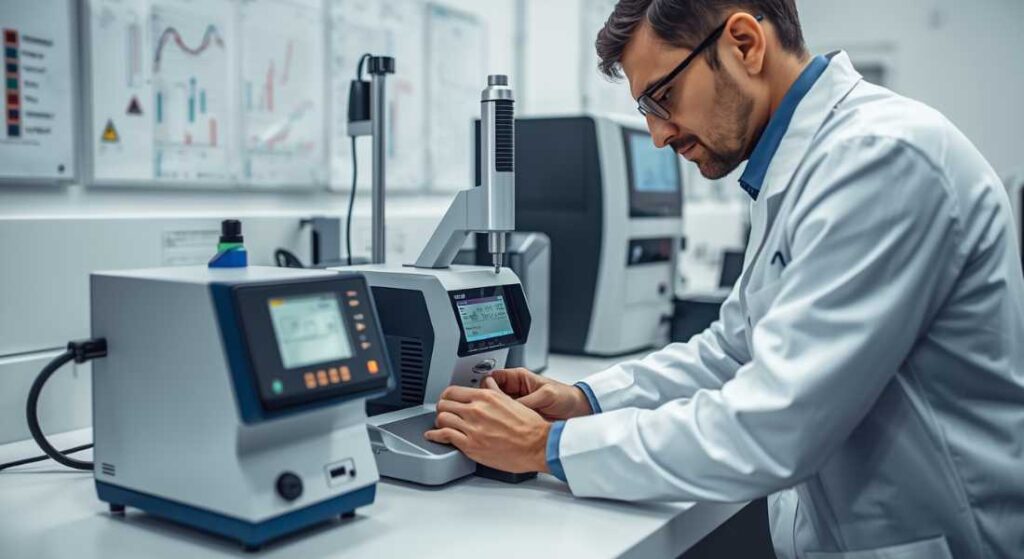
Kalibraatio is a process where the accuracy of a measuring device or instrument is verified by comparing its readings to a known standard or reference. This critical procedure ensures that equipment operates correctly and provides reliable results in all situations.
Without regular calibration, measuring devices can produce erroneous readings, leading to serious consequences in industry, healthcare, and research.
In this article, we comprehensively cover why this process is essential, how it is implemented, and what benefits it brings to your organization.
Why Calibration Is Essential
The accuracy of measuring instruments deteriorates over time for many reasons. Wear and tear, environmental conditions, and continuous use affect all devices regardless of their quality or price.
Calibration prevents problems caused by incorrect measurements before they cause damage.
In industry, an incorrect measurement can lead to production errors, quality issues, or even dangerous situations. In healthcare, an inaccurate device can affect patient safety and quality of care.
Legislation and standards require regular calibration in many fields. ISO 9001 certification requires a documented calibration program, and regulatory requirements set strict standards especially in regulated industries.
Calibration Process Stages
Preparation and Planning
Before actual calibration, it is important to identify all devices requiring calibration in your organization. Each measuring device needs an individual schedule based on usage frequency, criticality, and manufacturer recommendations.
Documentation begins even before the first calibration. The equipment register contains identification information, history, and the next calibration date for each device. This systematic approach ensures no device is overlooked.
Comparative Measurement and Adjustment
In the calibration process, the device is placed under controlled conditions and its readings are compared to a certified reference device. Deviations are documented precisely before any adjustments.
If measurement differences exceed acceptable tolerances, the device is adjusted or repaired. After adjustments, a new measurement is performed to ensure the device meets required accuracy requirements.
Documentation and Certification
Every calibration ends with detailed documentation. The calibration certificate includes measurement results, standards used, environmental conditions, and information about the person who performed the calibration.
Traceability to national or international standards is essential. This chain ensures that all measurements are comparable regardless of where they were performed.
Calibration Types and Methods
Internal Calibration
Organizations can perform calibrations with their own resources when they have the necessary expertise and certified reference equipment. This option works well for routine calibrations and reduces external costs.
An internal program requires trained personnel, suitable facilities, and quality reference equipment. The investment pays off for organizations with many calibrations and resources to maintain the necessary infrastructure.
External Accredited Calibration
An independent accredited laboratory offers the highest level of reliability. FINAS or equivalent international accreditation bodies supervise the competence and operations of these laboratories.
External service is recommended for critical equipment, rare specialized devices, or when the organization lacks its own resources. An accredited certificate is also often a requirement in regulated industries.
Calibration Intervals and Scheduling
Determining the correct calibration interval balances costs and risks. Too infrequent calibration increases the risk of incorrect measurements, while too frequent causes unnecessary costs and downtime.
Manufacturer recommendations are a good starting point, but practical experience in your own environment is the most valuable guide. Critical equipment and harsh operating conditions require more frequent cycles than less critical applications.
A risk-based approach optimizes resources. Equipment is classified according to its criticality and calibration intervals are determined based on what consequences would result from an incorrect measurement.
Calibration Costs and Benefits
Direct and Indirect Costs
Calibration service prices vary according to device complexity and required accuracy. Simple thermometer calibration costs less than inspection of complex analytical balance instruments.
Indirect costs include equipment downtime, logistics, and administrative work. Good planning minimizes production disruptions and maximizes equipment availability.
Measurable Savings
Preventive calibration is always cheaper than fixing problems caused by incorrect measurements. Rejected products, warranty claims, and reputation damage can cost many times more compared to regular maintenance.
Reliable measurement results improve process efficiency and reduce waste. Accurate equipment helps optimize production and reduce material waste.
Digitalization and the Future of Calibration
Modern systems automate calibration tracking and remind about upcoming actions. Cloud-based solutions provide real-time visibility into all equipment and their status.
Predictive analytics uses historical data to optimize calibration intervals and anticipate potential problems. Artificial intelligence learns from equipment behavior and identifies anomalies before they cause problems.
Remote calibration and automatic calibration are becoming more common as technology develops. Smart devices can independently check their accuracy and report deviations immediately.
Industry-Specific Requirements
Healthcare and Pharmaceutical Industry
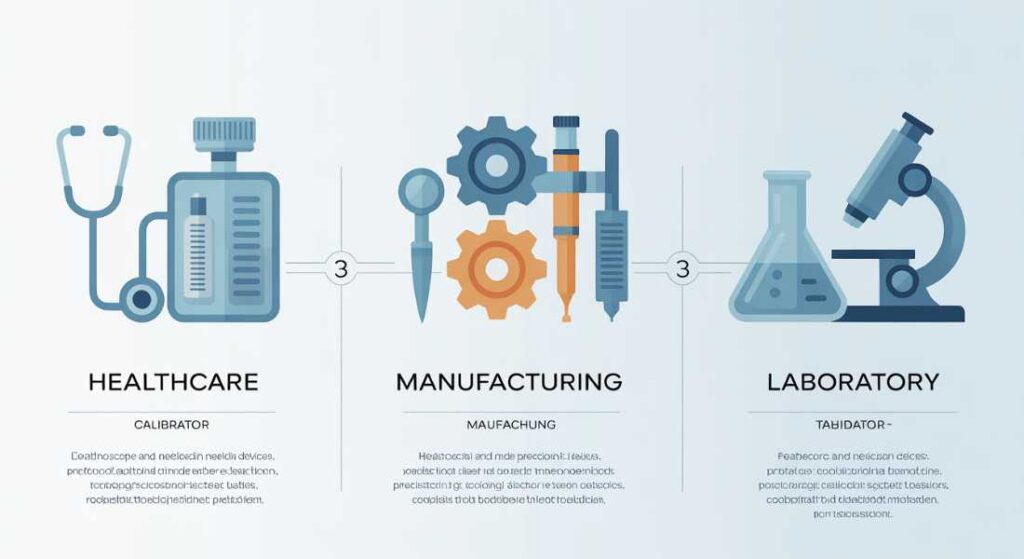
Medical devices require particularly accurate and documented calibration. Patient safety depends directly on the reliability of measuring devices in diagnostics and treatment.
GMP and FDA regulations set strict requirements for the pharmaceutical industry. Validation and calibration are an inseparable part of the quality assurance system.
Industry and Manufacturing
In production facilities, process measurements control automation and quality control. Incorrect measurements can stop production or lead to poor quality products.
The automotive and aviation industries set particularly high requirements for traceability and documentation. Every measurement must be verifiable for years back.
Laboratories and Research
Scientific research requires the highest possible measurement accuracy and traceability. The credibility of research results is based on the verifiable accuracy of the equipment used.
Accredited testing laboratories cannot maintain their accreditation without a proper calibration program. FINAS or equivalent organizations regularly inspect calibration practices.
Most Common Errors in Calibration
Neglecting calibration intervals is the most common problem. Haste and cost pressures may tempt postponing maintenance, but this increases risks and can lead to more expensive consequences.
Inadequate documentation causes problems in audits and certificate evaluations. Every calibration must be carefully documented regardless of whether it is performed internally or externally.
Ignoring environmental conditions can distort calibration results. Temperature, humidity, and vibrations affect the operation of many devices and must be taken into account in the process.
Calibration Quality Assurance
Internal audits ensure that the calibration program operates as planned. Regular inspections reveal deficiencies and development areas before external evaluations.
Personnel training is a continuous process. Calibration performers must understand measurement principles, equipment operation, and documentation requirements.
Comparative measurements between different laboratories strengthen result reliability. Regular proficiency tests demonstrate the laboratory’s ability to produce consistent and accurate results.
FAQS
What is meant by calibrate?
To calibrate means to check and adjust a measuring instrument or device against a known standard to ensure it provides accurate readings.
This process verifies that the equipment performs within specified tolerances and corrects any deviations from the accepted reference values.
What do you mean by calibration?
Calibration is the systematic process of comparing measurement values from a device with those from a reference standard of known accuracy.
It ensures measurement reliability, maintains quality standards, and provides documented evidence that instruments are performing correctly.
What is meant by calibrator?
A calibrator is either a reference device used to perform calibration on other instruments, or a professional who conducts calibration activities. The device produces known, accurate values that serve as benchmarks for testing and adjusting other measuring equipment.
What is calibrite used for?
Calibrite typically refers to calibration tools or reference materials used to verify and adjust the accuracy of measuring devices. These standards provide traceable reference points essential for maintaining measurement precision across various industries and applications.
How often should equipment be calibrated?
The frequency depends on manufacturer recommendations, usage intensity, criticality of measurements, and regulatory requirements.
Critical equipment may need monthly checks, while less critical devices might require annual verification. A risk-based approach helps determine optimal intervals.
Can I perform calibration myself?
Organizations can conduct internal calibrations if they have trained personnel, appropriate reference standards, and controlled environments.
However, accredited external laboratories are recommended for critical equipment, regulatory compliance, or when specialized expertise is required.
Conclusion
Calibration is an essential part of quality operations for all organizations conducting measurements. It ensures result reliability, meets legislative requirements, and protects the organization from costly errors.
A well-planned calibration program optimally balances costs and benefits. Investment in regular calibration pays for itself through improved quality, reduced waste, and increased reliability.
Start by evaluating your current calibration practices and identifying areas for improvement. A systematic approach and the right partners ensure that measuring devices serve your organization reliably for years to come.