Introduction
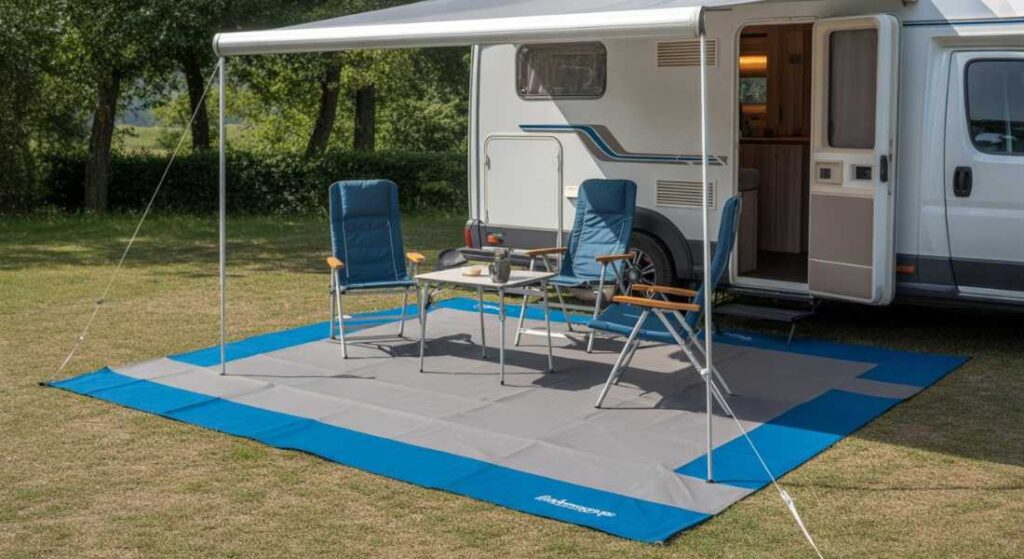
Markiseteppe are specialized outdoor carpets designed to be placed under RV awnings and camping shelters. These durable floor coverings transform bare ground into comfortable living spaces while camping, providing protection from dirt, moisture, and uneven surfaces.
Whether you’re relaxing at a campsite or hosting guests outside your motorhome, the right awning carpet enhances your outdoor experience significantly.
Understanding how to select and care for these outdoor essentials makes camping more enjoyable. This comprehensive guide covers everything from materials and sizing to installation techniques and seasonal maintenance tips.
What Makes Awning Carpets Essential for RV Camping
Outdoor carpets serve multiple practical purposes at campsites. They create clean zones where you can walk without tracking mud and debris into your vehicle. The woven surface allows water to drain through while keeping your feet dry and comfortable.
These carpets also protect the ground underneath from wear and damage. Many campsites require ground coverings to preserve grass and natural surfaces. A quality outdoor carpet fulfills this requirement while enhancing your camping setup.
Temperature regulation is another benefit often overlooked. The carpet layer provides insulation from cold ground in cooler months and reduces heat reflection during summer camping trips.
Types and Materials Used in Outdoor Camping Carpets
Breathable Woven Fabrics
The most common material is polypropylene weave. This synthetic fabric resists mold and mildew while allowing excellent drainage. The tight weave pattern prevents dirt from penetrating deep into fibers, making cleaning straightforward after each trip.
Polyethylene variants offer similar durability with slightly different texture. Both materials withstand UV exposure without significant fading or degradation over multiple seasons.
Tent Carpet Versus Awning Carpet
Tent carpets typically feature softer textures and may include backing layers. Awning carpets prioritize durability and drainage over cushioning. The distinction matters when matching your carpet to specific outdoor needs.
Some manufacturers produce hybrid designs suitable for both applications. These versatile options work well for campers who use various shelter configurations throughout the season.
Choosing the Right Size for Your Setup
Measuring your awning space accurately prevents purchasing mistakes. Extend your awning fully and measure the length from the vehicle to the outer edge. Width measurements should account for the entire sheltered area you want to cover.
Standard sizes typically range from 2.5 to 4 meters in width and 4 to 8 meters in length. Custom cutting services exist for unusual dimensions, though pre-cut sizes fit most recreational vehicles.
Consider leaving a small border uncovered around edges. This allows rainwater to flow away from your living area without pooling against the carpet edges.
Installation and Setup Techniques
Laying out your carpet properly starts with preparing the ground surface. Remove sharp stones, sticks, and debris that could damage the material or create uncomfortable bumps underfoot.
Unfold the carpet gradually rather than tossing it open. This prevents unnecessary creasing and helps identify the best positioning before securing edges. Most carpets have directional weaves that shed water more effectively when oriented correctly.
Securing methods vary by product. Some include built-in eyelets for pegs, while others require separate fastening accessories. Always anchor corners first, then work toward center sections to maintain even tension without ripples.
Popular Brands and Quality Considerations
Fiamma produces widely recognized camping accessories throughout Europe. Their tent carpets feature reinforced edges and come in various colors matching different awning models. The company’s reputation stems from consistent quality and helpful sizing guides.
Other manufacturers focus on specialized materials or regional preferences. Comparing warranty terms and user reviews helps identify reliable options within your budget range.
Quality indicators include tight, uniform weaving patterns and finished edge treatments. Lower-quality carpets show loose threads and inconsistent thickness that reduce lifespan significantly.
Maintenance and Cleaning Best Practices
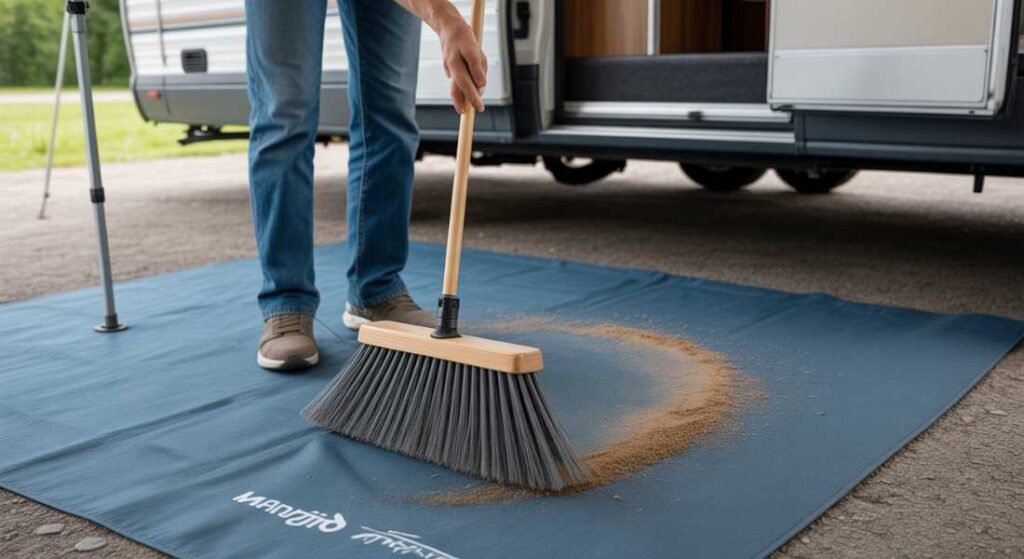
Regular maintenance extends carpet life considerably. Sweep or shake out loose dirt daily during extended camping stays. This simple habit prevents embedded particles from wearing down fibers prematurely.
Deep cleaning should occur at season end or after particularly muddy trips. Most outdoor carpets tolerate pressure washing on gentle settings. Allow complete drying before storage to prevent mildew growth during off-season months.
Avoid harsh chemical cleaners that can degrade synthetic fibers. Mild soap solutions work effectively for stubborn stains without causing material damage. Spot treatment handles localized issues without requiring full carpet washing.
Storage Solutions Between Camping Trips
Proper storage protects your investment during periods of non-use. Ensure the carpet is completely dry before rolling or folding. Even slight moisture can create mildew problems in enclosed storage spaces.
Rolling tends to create fewer permanent creases than folding. Store rolls horizontally in dry, ventilated areas away from direct sunlight. Garage rafters or dedicated storage bins work well for most carpet sizes.
Check stored carpets periodically for pest activity or unexpected moisture accumulation. Early detection prevents minor issues from becoming major damage requiring carpet replacement.
Seasonal Considerations for Different Weather
Summer camping prioritizes lighter colors that reflect heat rather than absorbing it. Darker carpets become uncomfortably hot underfoot during peak afternoon hours in direct sunlight.
Spring and autumn require excellent drainage capabilities. Choose carpets with larger weave gaps that don’t trap fallen leaves or morning dew. These seasons often bring unpredictable weather requiring versatile ground coverage.
Winter camping demands different considerations entirely. Insulated underlays combined with standard awning carpets provide better cold protection. Some campers avoid carpet use in snow conditions, opting instead for specialized winter matting systems.
Cost Factors and Budget Planning
Entry-level options start around reasonable price points for basic functionality. These serve occasional campers well without requiring significant investment. Expect shorter lifespans and fewer features compared to premium alternatives.
Mid-range selections offer the best value for regular camping enthusiasts. These carpets balance durability with affordability, typically lasting several seasons with proper care. Additional features like reinforced corners and carrying bags often come standard.
Premium products justify higher costs through extended warranties and superior materials. Serious travelers who spend months annually camping appreciate these long-term investments that withstand intensive use.
Common Problems and Troubleshooting
Persistent moisture underneath indicates inadequate drainage or improper ground preparation. Relocating to slightly elevated terrain or adding drainage channels around perimeter edges usually resolves this issue.
Rippling and bunching occur when carpets aren’t secured properly. Re-tensioning anchor points and adding intermediate fasteners creates flat, safe walking surfaces without trip hazards.
Edge fraying happens with lower-quality products or excessive foot traffic concentration. Applying edge sealant designed for synthetic fabrics prevents further unraveling. Severe damage may require professional repair or replacement sections.
Enhancing Your Outdoor Living Space
Combining awning carpets with complementary accessories maximizes camping comfort. Outdoor furniture sits more stable on even carpet surfaces than bare ground. The defined living area creates natural boundaries for cooking, dining, and relaxation zones.
LED lighting strips along awning edges illuminate carpet perimeters for nighttime safety. This simple addition prevents trips and falls while creating pleasant ambiance for evening activities.
Decorative elements like outdoor rugs layered over functional carpets add personal style. This approach works particularly well for extended stays where creating a home-like atmosphere enhances overall experience.
Environmental Impact and Sustainable Choices
Synthetic materials used in most outdoor carpets raise sustainability questions. However, their durability means fewer replacements over time compared to natural fiber alternatives that degrade quickly outdoors.
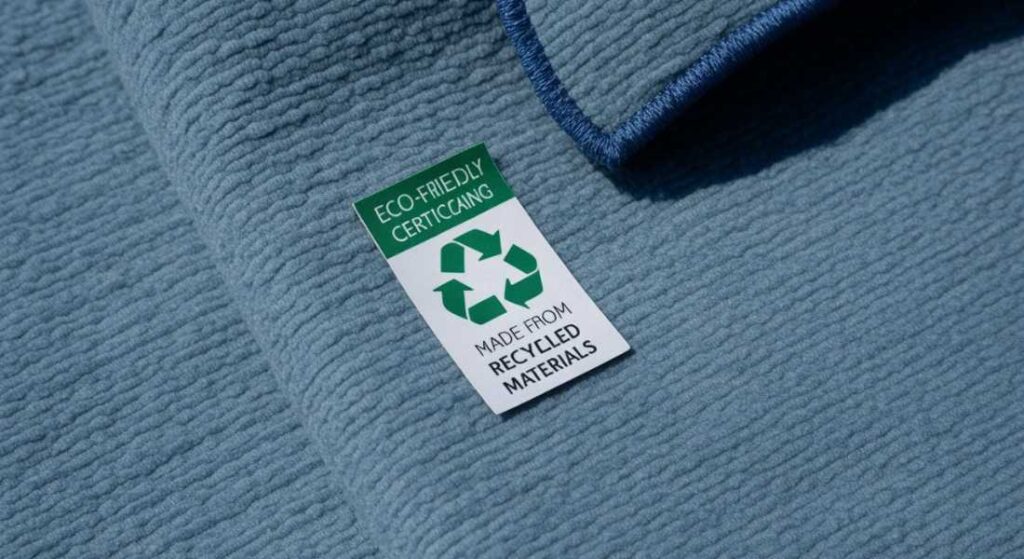
Some manufacturers now offer recycled plastic content in their products. These eco-conscious options perform comparably to conventional materials while reducing environmental footprint. Look for clear recycling information when comparing products.
Proper disposal at end-of-life matters significantly. Many municipalities accept synthetic carpets in specific recycling programs. Contacting local waste management services provides guidance for responsible disposal in your area.
Safety Considerations at Campsites
Slip resistance becomes crucial during wet conditions. Textured surfaces provide better traction than smooth weaves. Testing grip with wet shoes before committing to specific products prevents potential accidents.
Fire safety requires awareness of material properties. Most quality outdoor carpets include fire-retardant treatments. However, maintaining safe distances from cooking equipment and open flames remains essential regardless of material specifications.
Tripping hazards emerge from poorly secured edges or unexpected elevation changes. Regular inspection of anchor points and smooth transitions between carpet and ground ensures safe passage for all ages.
FAQS
How do I clean my markiseteppe after a muddy camping trip?
Shake out loose dirt first, then rinse thoroughly with a garden hose. For stubborn stains, use mild soap and a soft brush, scrubbing gently along the weave direction. Allow complete air drying in sunlight before storage to prevent mildew formation.
Can I use regular tent pegs to secure my awning carpet?
Yes, standard tent pegs work well for most camping carpets. Choose pegs appropriate for your ground conditions—longer pegs for soft soil, heavier stakes for hard ground. Ensure pegs angle away from the carpet to prevent material stress at anchor points.
What size markiseteppe do I need for my motorhome awning?
Measure your extended awning from the vehicle wall to the outer edge, then along the length. Most motorhomes accommodate carpets between 2.5 to 3 meters wide and 4 to 6 meters long. Leaving a small uncovered border improves water drainage.
How long do quality outdoor camping carpets typically last?
With proper care and seasonal use, expect 5 to 8 years from mid-range to premium products. Factors affecting lifespan include storage conditions, cleaning frequency, and exposure to extreme weather. Regular maintenance significantly extends usable life.
Should I remove my awning carpet during heavy rain?
Most carpets handle rain well due to drainage design. However, check for water pooling underneath periodically. If significant accumulation occurs, temporarily removing or repositioning the carpet prevents ground saturation and maintains comfort.
Are darker or lighter colored carpets better for camping?
Lighter colors reflect heat better for summer camping and show dirt less obviously. Darker shades hide stains more effectively but can become uncomfortably hot in direct sunlight. Choose based on your primary camping season and personal preference.
Can I leave my camping carpet outside overnight?
Yes, quality outdoor carpets withstand overnight exposure. Secure all edges properly to prevent wind displacement. Morning dew typically drains through quickly. However, in areas with heavy wildlife activity, consider storage to prevent unwanted animal interactions.
What’s the difference between tent carpets and markiseteppe?
Tent carpets often include backing layers and softer textures for indoor comfort. Awning carpets prioritize drainage and durability for outdoor use under open shelters. Some products work for both applications, offering versatile camping solutions.
Conclusion
Selecting the right awning carpet transforms camping experiences from basic to comfortable. Understanding materials, proper sizing, and maintenance requirements helps you make informed decisions that enhance outdoor living spaces for years.
Quality products combined with correct installation techniques create safe, clean areas under your RV awning.
Whether you’re weekend camping enthusiast or full-time traveler, investing in appropriate ground coverage pays dividends in comfort and convenience throughout every camping season.