Introduction
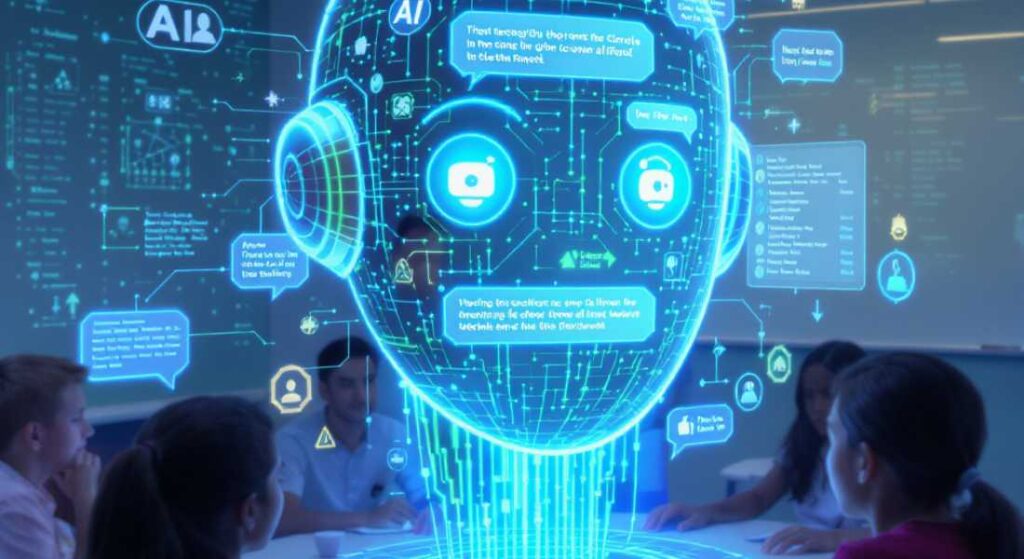
Konversky is an innovative AI-powered conversation platform designed specifically for educational environments. This cutting-edge technology transforms how teachers interact with students and how learners engage with educational content.
In today’s digital learning landscape, educators need robust tools that facilitate meaningful dialogue and personalized instruction.
Understanding how to leverage modern conversation technologies can dramatically improve student outcomes and teaching efficiency.
This comprehensive guide explores everything you need to know about using AI-driven communication platforms in educational settings, from basic features to advanced implementation strategies.
Understanding AI Conversation Platforms in Education
Modern educational technology has evolved far beyond simple communication tools. AI-powered platforms now offer sophisticated features that adapt to individual learning styles and provide real-time support.
These systems use natural language processing to understand student queries and deliver accurate, contextually relevant responses. Teachers can focus on higher-level instruction while the technology handles routine questions and administrative tasks.
The Evolution of Educational Communication Tools
Traditional classroom communication relied heavily on face-to-face interactions and email exchanges. Digital transformation has introduced instant messaging, video conferencing, and now intelligent conversation assistants.
The latest generation of platforms integrates machine learning algorithms that improve with each interaction. They recognize patterns in student behavior and adjust their responses accordingly.
How AI Enhances Learning Experiences
Artificial intelligence brings personalization to scale in ways previously impossible. Each student receives tailored guidance based on their unique needs and learning pace.
The technology provides immediate feedback, which research shows significantly improves knowledge retention. Students no longer wait hours or days for answers to critical questions.
Key Features of Modern Educational Conversation Platforms
Effective learning tools must offer more than basic chat functionality. Comprehensive platforms provide multi-layered support systems that address diverse educational needs.
Real-Time Language Translation
Breaking down language barriers opens educational opportunities to global learners. Advanced platforms offer instant translation across dozens of languages while maintaining contextual accuracy.
This feature proves invaluable in multicultural classrooms where students speak different native languages. Everyone can participate fully regardless of linguistic background.
Adaptive Learning Pathways
Smart systems track student progress and identify knowledge gaps automatically. The platform then suggests targeted resources and exercises to address specific weaknesses.
This personalized approach ensures no student falls behind unnoticed. Teachers receive detailed analytics showing exactly where each learner needs additional support.
Integration with Existing Learning Management Systems
Seamless connectivity with popular LMS platforms eliminates the need for multiple logins and fragmented workflows. Students access all resources through a single, unified interface.
Data synchronization ensures attendance records, grades, and assignments stay updated across all systems. This integration saves teachers countless hours of administrative work.
Implementing Conversation Technology in Your Classroom

Successful adoption requires thoughtful planning and gradual integration. Rushing implementation often leads to confusion and resistance from both teachers and students.
Assessment and Planning Phase
Begin by evaluating your current communication challenges and identifying specific pain points. Document where students most frequently need assistance and when teachers feel overwhelmed.
Survey stakeholders to understand their comfort level with new technology. This baseline assessment helps you set realistic expectations and timelines.
Training and Onboarding Process
Invest adequate time in comprehensive training sessions for all users. Start with basic functions before introducing advanced features that might overwhelm beginners.
Create simple reference guides and video tutorials that users can access anytime. Designate tech-savvy teachers as champions who can support their colleagues during the transition.
Measuring Success and Making Adjustments
Establish clear metrics before launch to track platform effectiveness. Monitor engagement rates, response times, and student satisfaction scores regularly.
Collect feedback through surveys and focus groups at predetermined intervals. Use this data to refine your implementation strategy and address emerging issues promptly.
Best Practices for Maximizing Platform Benefits
Strategic use of conversation tools yields far better results than haphazard adoption. Follow these proven approaches to optimize your educational outcomes.
Setting Clear Communication Guidelines
Establish explicit rules about appropriate platform usage and response expectations. Students need to understand when they can expect answers and what types of questions are suitable.
Create a culture where the technology supplements rather than replaces human interaction. Emphasize that AI tools support learning but cannot replace the value of teacher-student relationships.
Encouraging Student Engagement
Design activities that specifically leverage the platform’s interactive capabilities. Pose thought-provoking questions that spark discussions and collaborative problem-solving.
Gamification elements like badges and leaderboards motivate students to participate actively. Recognition for meaningful contributions reinforces positive engagement patterns.
Maintaining Data Privacy and Security
Protect student information with robust security protocols and regular audits. Ensure your platform complies with relevant educational privacy regulations like FERPA and COPPA.
Educate students about digital citizenship and responsible data sharing. Building these skills prepares them for safe technology use throughout their lives.
Overcoming Common Implementation Challenges
Every technological transition faces obstacles that can derail even well-planned initiatives. Anticipating these challenges allows you to develop preemptive solutions.
Resistance to Change
Some educators naturally hesitate to adopt unfamiliar tools, fearing they’ll complicate rather than simplify their work. Address these concerns through demonstration rather than argument.
Show concrete examples of how the platform reduces workload and improves student outcomes. Peer testimonials from early adopters prove far more persuasive than administrative directives.
Technical Difficulties and Support
Inevitable technical glitches frustrate users and erode confidence in new systems. Establish responsive support channels that resolve issues quickly before frustration builds.
Maintain updated troubleshooting documentation and FAQs addressing common problems. Proactive communication about known issues prevents users from feeling abandoned during difficulties.
Budget Constraints
Educational institutions often operate with limited resources, making new technology investments challenging. Build a compelling business case showing long-term cost savings and improved outcomes.
Explore grant opportunities and pilot programs that reduce initial financial barriers. Many vendors offer educational discounts or tiered pricing for schools with budget limitations.
Advanced Features for Enhanced Learning
Once basic implementation succeeds, explore sophisticated capabilities that unlock deeper educational value. These advanced functions transform good teaching into exceptional learning experiences.
Automated Assessment and Feedback
Intelligent systems can evaluate certain types of student work instantly, providing immediate constructive feedback. This rapid response cycle accelerates learning and keeps students engaged.
Teachers gain time to focus on complex evaluations requiring human judgment. Automated grading handles routine assessments while educators tackle nuanced essay analysis and creative work evaluation.
Predictive Analytics for Student Success
Machine learning algorithms identify at-risk students before they fall seriously behind. Early intervention based on predictive data dramatically improves retention rates.
These systems analyze patterns across multiple data points including attendance, assignment completion, and engagement metrics. Teachers receive actionable insights rather than overwhelming raw data.
Collaborative Learning Environments
Modern platforms facilitate group projects with tools supporting simultaneous editing and version control. Students develop crucial teamwork skills while working on academic content.
Discussion forums moderated by AI help maintain productive conversations and flag inappropriate content. This balanced approach encourages free expression within appropriate boundaries.
Future Trends in Educational Communication Technology

The pace of technological advancement continues accelerating, bringing exciting possibilities for education. Understanding emerging trends helps institutions prepare for upcoming opportunities.
Virtual and Augmented Reality Integration
Immersive technologies will soon connect seamlessly with conversation platforms, creating rich experiential learning environments. Students might explore historical events or scientific concepts through fully interactive simulations.
These multisensory experiences enhance retention and make abstract concepts tangible. The combination of AI conversation and immersive visualization represents a quantum leap in educational methodology.
Emotion Recognition and Response
Next-generation systems will detect student frustration or confusion through text analysis and adjust their approach accordingly. This emotional intelligence makes digital interactions feel more human and supportive.
Teachers will receive alerts when students exhibit signs of stress or disengagement. Timely intervention based on emotional cues prevents minor issues from becoming major obstacles.
Blockchain-Based Credential Verification
Distributed ledger technology will revolutionize how educational achievements are recorded and verified. Students will own portable, tamper-proof records of their learning accomplishments.
This innovation simplifies transfer processes and provides employers with reliable verification of candidate qualifications. The technology eliminates fraud while giving learners greater control over their credentials.
FAQS
What makes AI conversation platforms effective for education?
These platforms provide personalized, immediate support that adapts to individual learning styles. They handle routine inquiries efficiently, allowing teachers to focus on complex instructional tasks that require human expertise and empathy.
How much training do teachers need to use these systems?
Most educators become comfortable with basic functions within a few hours of training.
Advanced features require additional learning, but comprehensive support materials and ongoing professional development ensure teachers can master the platform at their own pace.
Can conversation technology work for all age groups?
Yes, properly configured systems adapt their language complexity and interaction style to suit different developmental stages. Elementary students receive simpler explanations while advanced learners get more sophisticated responses tailored to their comprehension level.
What security measures protect student data?
Reputable platforms employ encryption, regular security audits, and strict access controls. They comply with educational privacy laws and provide transparent data handling policies that give institutions and parents peace of mind.
How does this technology integrate with existing curriculum?
Modern systems are designed to complement rather than replace traditional teaching methods. They align with standard curriculum frameworks and can be customized to support specific learning objectives and state standards.
What return on investment can schools expect?
Institutions typically see improved student outcomes, higher engagement rates, and significant time savings for educators. While initial costs vary, the long-term benefits include better retention, increased graduation rates, and enhanced institutional reputation.
Conclusion
AI-powered conversation platforms represent a transformative opportunity for modern education. These tools enhance communication, personalize learning experiences, and free educators to focus on what they do best: inspiring and guiding students.
Successful implementation requires careful planning, adequate training, and ongoing evaluation. When deployed thoughtfully, conversation technology creates more engaging, efficient, and effective learning environments.
The future of education lies in thoughtfully integrating human expertise with technological capabilities. By embracing these innovations while maintaining focus on core educational values, institutions can prepare students for success in an increasingly digital world.