Introduction
15 health benefits of soursop leaves have captured the attention of natural health enthusiasts worldwide. These tropical leaves from the Annona muricata tree contain powerful compounds that may support various aspects of human health.
This comprehensive guide explores the scientifically studied advantages of soursop leaves and how they can contribute to your wellness journey. You’ll learn about their traditional uses and modern applications along with important safety considerations.
Whether you’re curious about natural remedies or seeking alternative health support this article provides valuable insights into what soursop leaves can offer.
Understanding these benefits helps you make informed decisions about incorporating this botanical treasure into your health routine.
What Are Soursop Leaves?
Soursop leaves come from an evergreen tree native to tropical regions of the Americas. The tree produces large green fruits known for their distinctive sweet and tangy flavor.
Traditional healers have used these leaves for centuries across Africa, South America and Southeast Asia. The leaves contain bioactive compounds including acetogenins, alkaloids and essential oils that contribute to their therapeutic properties.
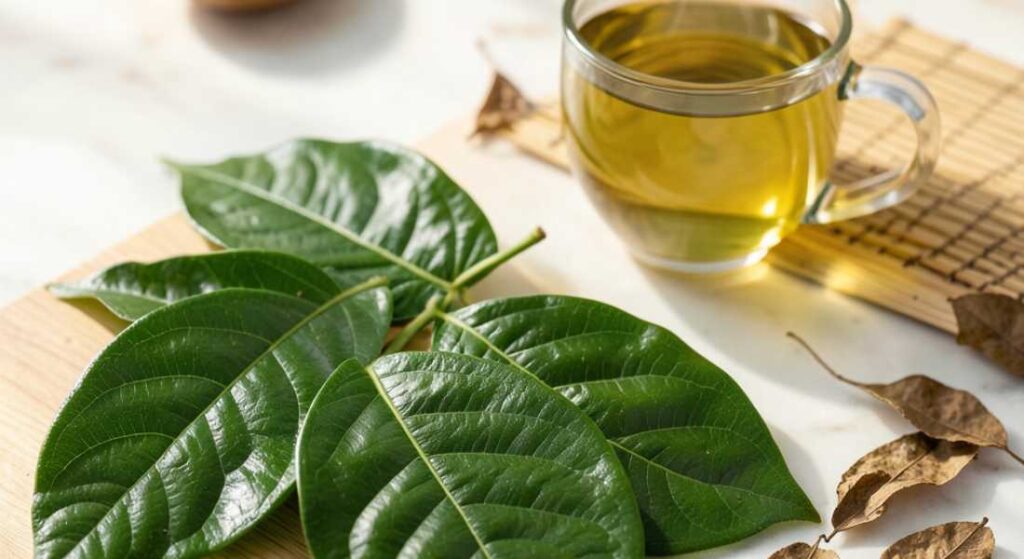
Modern research has begun validating many traditional uses while uncovering new potential applications. Fresh or dried leaves are typically prepared as tea or extracts for medicinal purposes.
The Science Behind Soursop Leaves
The therapeutic potential of soursop leaves stems from their rich phytochemical profile. Acetogenins are the most studied compounds and have shown remarkable biological activities in laboratory research.
These leaves also contain flavonoids, tannins and phenolic compounds that act as powerful antioxidants. The synergistic effect of these natural chemicals creates the foundation for their health benefits.
Scientific studies continue exploring how these compounds interact with human cells and biological processes. Understanding this science helps explain why traditional medicine valued these leaves so highly.
Powerful Antioxidant Protection
One of the primary 15 health benefits of soursop leaves involves their exceptional antioxidant capacity. These antioxidants neutralize harmful free radicals that damage cells and accelerate aging.
Regular consumption may help protect your body from oxidative stress linked to chronic diseases. The phenolic compounds and vitamin C in the leaves work together to strengthen your cellular defenses.
Research indicates that soursop leaf extracts demonstrate stronger antioxidant activity than many common fruits. This protective quality supports overall health and may reduce disease risk over time.
Natural Anti-Inflammatory Properties
Inflammation plays a role in numerous health conditions from arthritis to heart disease. Soursop leaves contain compounds that help reduce inflammatory responses in the body.
Studies have shown that leaf extracts can decrease inflammatory markers in tissue samples. This natural anti-inflammatory action may provide relief for people dealing with chronic inflammatory conditions.
The leaves work by inhibiting specific enzymes and pathways involved in inflammation. This mechanism offers a gentler alternative to synthetic anti-inflammatory medications for some individuals.
Immune System Support
Supporting your immune function ranks among the notable 15 health benefits of soursop leaves. The bioactive compounds help enhance your body’s natural defense mechanisms.
The leaves stimulate the production and activity of white blood cells that fight infections. Antioxidants in the leaves also protect immune cells from damage during their defense activities.
Traditional medicine practitioners have long recommended soursop leaf tea during cold and flu season. Modern research supports this practice by demonstrating immune-boosting effects in laboratory studies.
Blood Sugar Management Support
People concerned about blood glucose levels may find value in soursop leaves. Research suggests these leaves may help regulate blood sugar through multiple mechanisms.
Animal studies indicate that soursop leaf extracts can lower blood glucose levels and improve insulin sensitivity. The leaves appear to slow carbohydrate absorption and enhance glucose uptake by cells.
While promising these findings require more human clinical trials for confirmation. Anyone with diabetes should consult healthcare providers before using soursop leaves as complementary support.
Cardiovascular Health Benefits

Heart health represents another area where soursop leaves show potential. The leaves may help maintain healthy blood pressure and cholesterol levels.
Studies suggest that compounds in the leaves promote blood vessel relaxation and improved circulation. The antioxidant properties also protect blood vessels from oxidative damage that contributes to heart disease.
Regular consumption might support overall cardiovascular function when combined with a healthy lifestyle. The natural compounds work gently without the harsh side effects of some medications.
Digestive System Wellness
Soursop leaves have traditionally treated various digestive complaints with good reason. The leaves contain compounds that support healthy digestion and gut function.
They may help reduce inflammation in the digestive tract and promote beneficial gut bacteria. Some people use soursop leaf tea to ease stomach discomfort and improve regularity.
The antimicrobial properties also help combat harmful bacteria that can cause digestive infections. This gentle support makes the leaves a valued natural remedy for digestive wellness.
Potential Cancer-Fighting Properties
Among the most researched 15 health benefits of soursop leaves are their potential anticancer effects. Laboratory studies show that leaf extracts can inhibit cancer cell growth.
The acetogenins in soursop leaves have demonstrated ability to target cancer cells while leaving healthy cells relatively unharmed. Research has examined effects on breast, prostate, lung and other cancer types.
It’s crucial to understand that laboratory results don’t automatically translate to human treatments. Soursop leaves should never replace conventional cancer therapy but may offer complementary support under medical supervision.
Natural Pain Relief
Pain management represents an important traditional use of soursop leaves. The leaves contain analgesic compounds that may help reduce various types of pain.
Research suggests the leaves work through mechanisms similar to some pharmaceutical pain relievers. They may be particularly helpful for headaches, muscle pain and joint discomfort.
The anti-inflammatory properties contribute to this pain-relieving effect by addressing underlying inflammation. Many people prefer this natural approach for managing mild to moderate pain.
Liver Health Protection
Your liver performs hundreds of vital functions and soursop leaves may help protect this essential organ. Studies indicate that leaf extracts can reduce liver damage from toxins and oxidative stress.
The antioxidants help neutralize harmful substances before they damage liver cells. Animal research shows improved liver enzyme levels with soursop leaf treatment.
This hepatoprotective quality makes the leaves valuable for supporting liver health and detoxification processes. The leaves complement a liver-friendly lifestyle that includes proper nutrition and avoiding excessive alcohol.
Antimicrobial and Antibacterial Effects
Fighting infections naturally ranks among the valuable 15 health benefits of soursop leaves. The leaves contain compounds effective against various bacteria, viruses and fungi.
Laboratory tests show activity against common pathogens including Staphylococcus and Escherichia coli. The antimicrobial properties extend to certain parasites and yeast infections as well.
Traditional healers have applied soursop leaf preparations to wounds and skin infections for generations. Modern research validates this practice by confirming the leaves’ infection-fighting capabilities.
Stress and Anxiety Reduction
Mental wellness benefits of soursop leaves deserve attention in our stressful modern world. The leaves have mild sedative properties that promote relaxation without drowsiness.
Some compounds in the leaves interact with neurotransmitter systems involved in stress response. People report feeling calmer and more centered after drinking soursop leaf tea.
This natural approach to stress management avoids the dependency issues associated with some pharmaceutical options. The gentle calming effect makes it suitable for daily use.
Skin Health Enhancement
Your skin can benefit from both internal consumption and external application of soursop leaves. The antioxidants help protect skin from environmental damage and premature aging.
The antimicrobial properties make soursop leaves useful for treating acne and other skin infections. Some people apply cooled soursop leaf tea directly to skin irritations for relief.
Regular consumption may promote a clearer complexion by supporting detoxification and reducing inflammation. The vitamin C content also supports collagen production for skin elasticity.
Kidney Function Support
Supporting healthy kidney function completes our exploration of the 15 health benefits of soursop leaves. The leaves may help protect kidneys from damage and support their filtering function.
Research indicates that soursop leaf extracts can reduce oxidative stress in kidney tissue. The diuretic properties promote healthy urine flow and waste elimination.
People with existing kidney conditions should exercise caution and consult healthcare providers. The leaves work best as preventive support for maintaining healthy kidney function.
Respiratory Health Benefits

Soursop leaves have traditional applications for respiratory conditions including coughs and asthma. The leaves help reduce airway inflammation and ease breathing difficulties.
The antimicrobial properties combat respiratory infections while the anti-inflammatory effects soothe irritated airways. Steam inhalation with soursop leaves provides direct respiratory relief.
Many people find soursop leaf tea helpful during seasonal allergies and respiratory challenges. The natural expectorant properties help clear mucus from the respiratory tract.
How to Prepare Soursop Leaves
Proper preparation maximizes the benefits while ensuring safety. The most common method involves making tea from fresh or dried leaves.
To prepare soursop leaf tea simply steep 5 to 10 fresh leaves or 2 tablespoons of dried leaves in hot water for 10 to 15 minutes. Strain before drinking and consume once or twice daily.
Start with lower amounts to assess your tolerance. You can adjust strength and frequency based on your response and health goals.
Recommended Dosage and Duration
While no official dosage exists traditional use suggests moderate consumption provides benefits. Most people drink one to two cups of soursop leaf tea daily.
Treatment duration varies by purpose but many practitioners recommend cycling use rather than continuous long-term consumption. A common pattern involves drinking the tea for several weeks followed by a break.
Listen to your body and adjust accordingly. Consulting with a healthcare provider helps determine appropriate use for your specific situation.
Safety Considerations and Side Effects
Understanding potential soursop leaves side effects ensures safe use. While generally considered safe the leaves can cause adverse reactions in some individuals.
Excessive consumption may lead to nausea, vomiting or digestive upset. The leaves have neurotoxic compounds that could affect nerve function with very high or prolonged use.
Pregnant and nursing women should avoid soursop leaves due to insufficient safety data. People taking medications should check for potential interactions before use.
Who Should Avoid Soursop Leaves
Certain groups should exercise extra caution or avoid soursop leaves entirely. People with Parkinson’s disease or movement disorders should not use these leaves due to neurotoxic concerns.
Those scheduled for surgery should discontinue use at least two weeks prior as the leaves may affect blood pressure. Individuals with low blood pressure should monitor carefully as the leaves can lower it further.
Anyone with liver or kidney disease should consult healthcare providers before starting soursop leaves. Children under 18 should not consume soursop leaf preparations without medical guidance.
Where to Source Quality Soursop Leaves
Finding high-quality leaves ensures you receive maximum benefits safely. Look for organic sources free from pesticides and contaminants.
Reputable herbal suppliers and health food stores often carry dried soursop leaves. Online retailers specializing in botanical products provide convenient access with quality certifications.
If you live in tropical regions you might find fresh leaves at local markets. Always verify proper identification as some plants resemble soursop but lack the same properties.
Combining Soursop Leaves with Other Herbs
Soursop leaves work well alongside other medicinal herbs for enhanced benefits. Combining with ginger adds digestive support and anti-nausea properties.
Green tea paired with soursop leaves creates a powerful antioxidant blend. Lemongrass complements the flavor while adding its own antimicrobial benefits.
Start with single herbs before creating combinations to identify any sensitivities. Research potential interactions between herbs before mixing multiple botanical remedies.
FAQs
What are the benefits of drinking boiled soursop leaves?
Drinking boiled soursop leaves provides antioxidant protection and immune system support along with potential anti-inflammatory effects. The tea may help manage blood sugar levels and support cardiovascular health while promoting digestive wellness.
Many people experience improved relaxation and stress relief from regular consumption. The 15 health benefits of soursop leaves become accessible through this simple preparation method that extracts beneficial compounds into drinkable form.
How many days to drink soursop leaves?
Most traditional practices suggest drinking soursop leaf tea for 2 to 4 weeks followed by a one-week break before resuming. This cycling approach prevents potential buildup of compounds while allowing your body to respond optimally.
Some people use it intermittently for specific health concerns while others incorporate it into regular wellness routines. The duration depends on your health goals and individual response.
Always monitor how you feel and consult healthcare providers for personalized guidance on appropriate duration.
Is soursop good for uric acid?
Research suggests soursop leaves may help reduce uric acid levels through their anti-inflammatory and diuretic properties. The leaves promote kidney function and urine production which aids in eliminating excess uric acid from the body.
Some studies indicate potential benefits for gout sufferers who deal with high uric acid. However people with gout should work with healthcare providers and not rely solely on soursop leaves for management.
The leaves can complement medical treatment but should not replace prescribed medications.
What are the side effects of soursop leaf?
Common side effects include digestive upset, nausea or vomiting especially with excessive consumption. The leaves contain neurotoxic compounds that may affect nerve function with very high doses or prolonged use.
Some people experience low blood pressure or interactions with medications. Pregnant women may face risks to fetal development.
The 15 health benefits of soursop leaves come with the responsibility to use them wisely and within recommended amounts. Starting with small quantities helps identify any personal sensitivities before regular use.
Can soursop leaves help with weight loss?
Soursop leaves may support weight management through improved metabolism and blood sugar regulation. The tea has minimal calories and can replace sugary beverages in your diet.
Some research suggests the leaves help reduce fat accumulation and improve glucose metabolism. However they work best as part of a comprehensive approach including healthy eating and regular exercise.
No single herb produces dramatic weight loss without lifestyle changes. Use soursop leaf tea as a supportive tool rather than a primary weight loss solution.
How should I store dried soursop leaves?
Store dried soursop leaves in an airtight container away from direct sunlight and moisture. A cool dark cupboard or pantry works perfectly for maintaining leaf quality.
Properly stored leaves remain potent for 6 to 12 months. Check periodically for any signs of mold or unusual odors that indicate spoilage.
Glass jars with tight-fitting lids provide excellent storage options. Label containers with purchase or harvest dates to track freshness and ensure you use older leaves first.
Conclusion
The 15 health benefits of soursop leaves offer compelling reasons to explore this traditional remedy. From immune support and antioxidant protection to potential cancer-fighting properties these leaves provide diverse wellness applications.
Remember that soursop leaves complement rather than replace conventional medical care. Use them wisely within recommended amounts and always consult healthcare providers when addressing serious health conditions.
Start your journey with soursop leaves gradually and observe how your body responds. This natural treasure from tropical regions may become a valued addition to your wellness toolkit when used responsibly and thoughtfully.