Introduction
Throttle body carbon build up is a common engine problem that affects vehicle performance, fuel efficiency, and overall drivability.
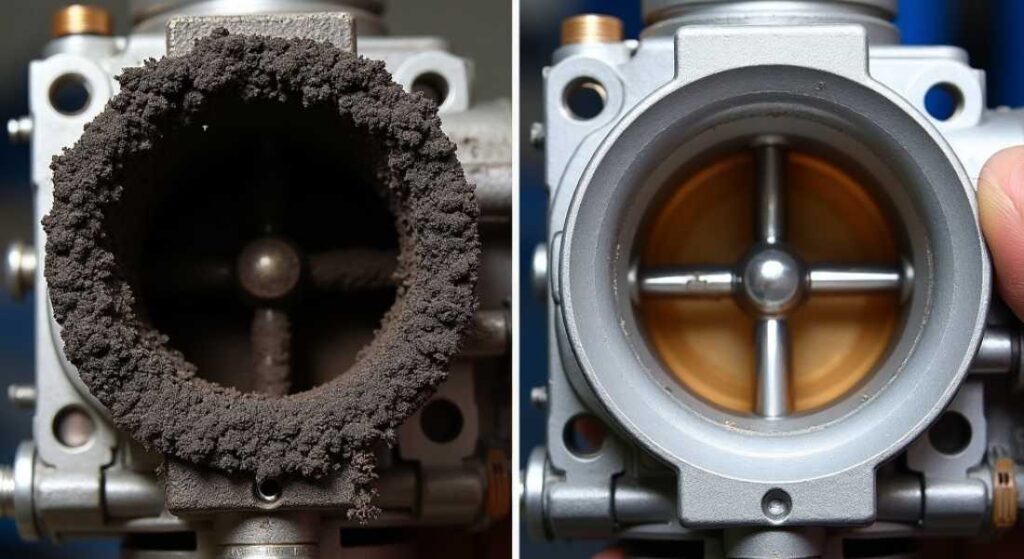
This sticky residue accumulates over time from oil vapors, combustion byproducts, and unburned fuel particles that coat the throttle plate and bore.
When left unaddressed, this buildup restricts airflow into the engine, causing rough idling, hesitation during acceleration, and increased fuel consumption.
This comprehensive guide explains everything you need to know about carbon deposits in your throttle assembly, including how to identify the problem early, what causes it, and the most effective ways to restore optimal engine function.
What Causes Carbon Deposits on Throttle Components
Understanding why carbon accumulates helps prevent future problems and maintain your vehicle properly.
Positive Crankcase Ventilation System
Modern engines recirculate crankcase gases back through the intake system to reduce emissions. These gases contain oil mist and combustion residues that gradually coat internal surfaces.
Over time, these particles harden into tough carbon layers that interfere with proper airflow regulation.
Fuel Quality and Driving Habits
Low-quality gasoline with inadequate detergent additives contributes significantly to deposit formation.
Short trips where the engine never reaches full operating temperature allow more residue to accumulate because the cleaning effect of high-temperature combustion never occurs.
Direct Injection Engine Designs
Vehicles with direct fuel injection are particularly susceptible because fuel no longer sprays across intake valves and passages. This natural cleaning action is absent, allowing deposits to form more rapidly on all intake components.
Recognizing the Warning Signs
Early detection saves money and prevents more serious engine problems down the road.
Performance Related Symptoms
A dirty throttle body manifests through several noticeable performance issues. Your vehicle may idle roughly or inconsistently, with RPMs fluctuating between 500 and 1000.
Acceleration feels sluggish or delayed, especially when pulling away from a stop. You might experience hesitation or stumbling during moderate throttle application.
Fuel Economy Changes
Carbon buildup in throttle body assemblies disrupts the precise air-fuel mixture your engine needs.
The engine computer compensates by adjusting fuel delivery, often resulting in 10-15% reduced fuel economy. You’ll notice more frequent fill-ups despite unchanged driving patterns.
Dashboard Warning Lights
The check engine light may illuminate when deposits become severe enough to trigger fault codes.
Common codes include P0121 (throttle position sensor range issues) or P0506 (idle control system RPM lower than expected). These codes indicate the engine management system detects abnormal throttle operation.
How Carbon Accumulation Affects Engine Function
The throttle assembly controls airflow entering your engine, making it critical for proper operation.
Restricted Airflow Dynamics
Even a thin layer of deposits reduces the effective opening diameter. When the throttle plate tries to close to idle position, carbon prevents it from sealing properly. This creates unmetered air leaks that confuse the engine computer and cause erratic idle speeds.
Sensor Interference Problems
Position sensors mounted on the throttle shaft can give false readings when deposits interfere with movement.
The engine computer relies on precise throttle angle data to calculate fuel delivery and ignition timing. Inaccurate sensor signals lead to poor performance and increased emissions.
Professional Cleaning Services Explained
Understanding what professionals do helps you make informed service decisions.
Service Process Overview
Technicians typically remove the air intake ducting to access the throttle assembly. They use specialized cleaners formulated to dissolve carbon without damaging sensitive components.
The process includes cleaning the bore, plate, and related sensors. How much does throttle body cleaning cost varies by location and vehicle type, typically ranging from $150 to $300 for complete professional service.
What Does Throttle Body Cleaning Do
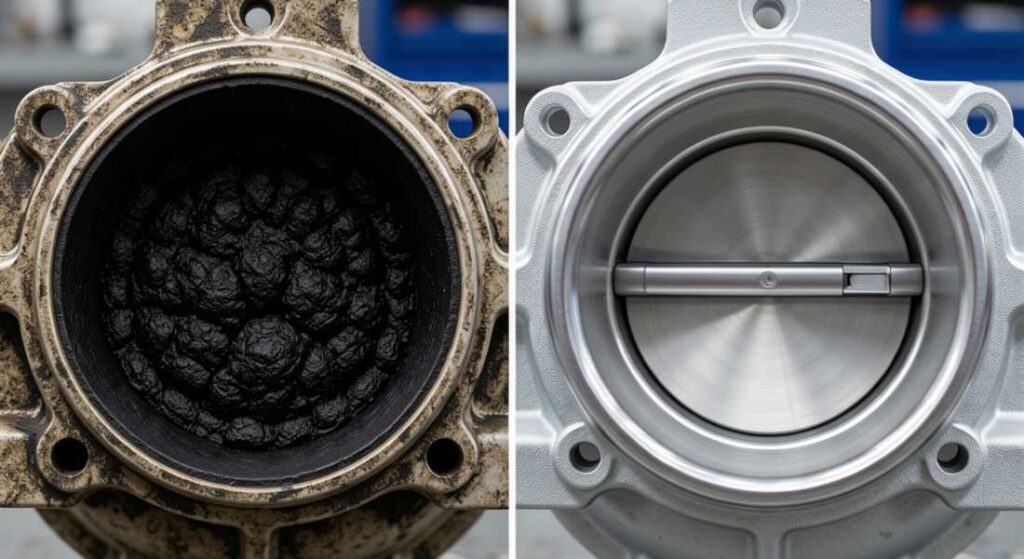
Professional service restores proper airflow and eliminates the root cause of many drivability complaints.
Benefits of throttle body cleaning include smoother idle, improved acceleration response, better fuel economy, and elimination of check engine lights related to airflow issues. Most drivers notice immediate improvement in how their vehicle runs.
DIY Cleaning Methods and Best Practices
Many car owners successfully handle this maintenance task at home with basic tools.
Required Tools and Materials
You’ll need a throttle body cleaner spray specifically designed for this application. A throttle body cleaning kit typically includes the cleaner, brushes, and sometimes new gaskets.
Basic hand tools remove air intake components. Clean shop towels absorb dissolved residue during the process.
Step by Step Cleaning Process
Start by disconnecting the battery to avoid electrical issues. Remove the air intake tube to expose the throttle assembly. Spray cleaner generously on all visible surfaces, allowing it to soak for several minutes.
Use a soft brush to gently scrub stubborn deposits. Wipe away dissolved carbon with clean towels. Repeat until all surfaces appear clean and free of buildup.
Safety Considerations
Always work in a well-ventilated area because cleaner fumes are strong and flammable. Avoid getting spray on painted surfaces or electrical connectors. Never force the throttle plate open as this can damage the internal motor on electronic assemblies.
Some vehicles require computer relearning procedures after cleaning to restore proper idle control.
Preventing Future Accumulation
Regular maintenance extends the time between cleaning services.
Fuel Additive Programs
Quality fuel system cleaners added every few thousand miles help reduce deposit formation throughout the intake system. Look for products containing polyetheramine (PEA) detergents, which effectively dissolve existing deposits and prevent new ones from forming.
Driving Style Adjustments
Occasional highway driving at sustained speeds allows the engine to reach optimal operating temperature. This heat helps burn off deposits before they harden.
Avoid excessive idling when possible, as low-temperature operation promotes residue accumulation.
Regular Inspection Schedule
Checking the throttle assembly during routine oil changes allows you to spot problems early. Most vehicles benefit from inspection every 15,000 to 30,000 miles depending on driving conditions and fuel quality.
Comparing Cleaning Products and Kits
Not all cleaners deliver the same results or value.
Aerosol Spray Cleaners
A throttle body cleaner in spray form offers convenience for quick maintenance. These products work well for light to moderate deposits but may require multiple applications for heavily soiled components. They cost between $8 and $15 per can.
Complete Cleaning Kits
An air intake and throttle body cleaner kit provides everything needed for thorough service. These kits often include specialized brushes designed to reach difficult areas without causing damage. Expect to pay $25 to $50 for quality kits with enough supplies for several cleanings.
Turbo Engine Considerations
If you drive a turbocharged vehicle, verify the cleaner is safe for turbo engines. Some formulations can damage sensitive turbocharger components. Look for products labeled as throttle body cleaner for turbo engines to ensure compatibility.
Cost Analysis and Value
Understanding pricing helps you budget for this important maintenance.
Professional Service Pricing
The throttle body cleaning cost at dealerships tends to be higher, often $200 to $350, but includes inspection of related components. Independent shops typically charge $120 to $250 for the same service.
How much is a throttle body cleaning depends on your location, with urban areas generally costing more than rural markets.
DIY Cost Comparison
Cleaning the assembly yourself costs $15 to $40 in materials plus your time. The savings become significant over multiple services. Most drivers find the process straightforward after completing it once.
Related Engine Carbon Issues
Throttle body carbon build up often accompanies deposits elsewhere in the engine.
Intake Valve Deposits
Direct injection engines commonly develop heavy carbon on intake valves. These deposits require different cleaning methods, including walnut shell blasting or chemical treatments. How to clean engine carbon deposits from valves often requires professional equipment.
Combustion Chamber Accumulation
Carbon also forms on piston tops and cylinder heads. Severe buildup can cause pre-ignition and knocking. How to remove carbon deposits from engine internals typically involves chemical treatments added through the fuel or intake system.
Comprehensive Cleaning Approaches
Some service packages address multiple areas simultaneously. Clean carbon build up in engine programs may include fuel system cleaning, intake valve treatment, and combustion chamber service along with throttle body work for maximum effectiveness.
Electronic vs Cable-Operated Systems
Modern throttle designs require different service approaches.
Electronic Throttle Bodies
Drive-by-wire systems use an electric motor to control the throttle plate position. These assemblies are more sensitive to improper cleaning techniques.
Never manually force the plate open, as this damages the motor and position sensors. The engine computer must relearn idle parameters after service.
Cable-Actuated Designs
Older vehicles with physical throttle cables are more forgiving during cleaning. You can manually operate the plate to access all surfaces. These systems don’t require computer relearning but should still be cleaned carefully to avoid damaging gaskets and sensors.
When Cleaning Isn’t Enough
Sometimes carbon buildup indicates deeper problems requiring additional repairs.
Replacement Scenarios
Severely damaged throttle assemblies with pitted bores or worn shafts may not respond adequately to cleaning.
If performance problems persist after thorough cleaning, replacement becomes necessary. New units cost $200 to $600 depending on vehicle make and model.
Related Component Failures
Persistent rough idle after cleaning may indicate vacuum leaks, failing idle air control valves, or mass airflow sensor problems. Professional diagnosis identifies these related issues before you invest in unnecessary parts.
FAQs
Can throttle body cause rough idle?
Yes, carbon deposits interfere with proper throttle plate closure and airflow control. This disrupts the precise air-fuel mixture needed for smooth idling and often causes RPM fluctuations between 500 and 1000.
Cleaning the throttle body carbon build up typically resolves these idle quality issues immediately.
How to tell if throttle body needs cleaning?
Watch for symptoms including rough or fluctuating idle, hesitation during acceleration, reduced fuel economy, and check engine lights.
Visual inspection shows black carbon deposits on the throttle plate and bore. Most vehicles benefit from cleaning every 30,000 to 50,000 miles regardless of symptoms.
Is throttle body cleaning necessary?
Regular cleaning is essential preventive maintenance that maintains optimal engine performance and fuel efficiency.
While not as critical as oil changes, neglecting this service leads to progressively worse drivability issues and potential damage to sensors and other components over time.
What causes carbon buildup on throttle body?
Oil vapors from the crankcase ventilation system, combustion byproducts, and unburned fuel particles accumulate on internal surfaces.
Direct injection engines are particularly susceptible because fuel no longer washes across intake components. Poor fuel quality and frequent short trips accelerate deposit formation.
Why clean throttle body regularly?
Routine cleaning prevents performance degradation, maintains fuel economy, and avoids expensive repairs to damaged sensors or motors.
The benefits of cleaning throttle body include smoother operation, better throttle response, and extended component life. This simple maintenance task prevents more costly problems later.
How to fix carbon build up in engine systems?
Start with throttle body cleaning using appropriate spray cleaners or professional service. For comprehensive treatment, use fuel system cleaners with PEA detergents, consider intake valve cleaning for direct injection engines, and maintain regular service intervals. Addressing throttle body carbon build up early prevents it from spreading to other engine components.
Conclusion
Regular attention to carbon deposits in your throttle assembly protects engine performance and saves money on fuel and repairs.
Most drivers can successfully clean their own throttle bodies with basic tools and proper cleaning products. For those preferring professional service, the investment pays dividends through improved drivability and efficiency.
Whether you choose DIY maintenance or professional service, addressing this common problem promptly prevents minor issues from becoming major headaches.
Your engine will reward you with smooth operation, responsive acceleration, and optimal fuel economy for many miles to come.