Introduction
Aspertaan is a popular artificial sweetener used in thousands of food and beverage products around the world. Also known as aspartame, this zero-calorie sugar substitute has become a staple ingredient in diet sodas, sugar-free gums, and low-calorie foods.
Many people choose it as an alternative to regular sugar to manage weight or blood sugar levels.
This guide covers everything you need to know about aspertaan. You’ll learn what it is, how it works in your body, which foods contain it, and whether it’s safe for daily consumption.
We’ll also address common concerns and answer the most frequently asked questions based on current research and health guidelines.
What Is Aspertaan
Aspertaan is an artificial sweetener approximately 200 times sweeter than regular table sugar.
It was discovered in 1965 and approved for use in foods and beverages by regulatory agencies worldwide. The sweetener is made from two amino acids: aspartic acid and phenylalanine.
Because of its intense sweetness, manufacturers only need tiny amounts to achieve the desired taste. This makes it an attractive option for creating low-calorie and sugar-free products. When you consume aspertaan, your body breaks it down into these amino acids and a small amount of methanol, all of which occur naturally in many foods.
Chemical Composition and Properties
The molecular structure of aspertaan consists of two amino acids linked together. These amino acids are the same building blocks that make up proteins in your diet.
When digested, the sweetener separates into aspartic acid, phenylalanine, and methanol in small quantities.
This breakdown process is similar to what happens when you eat protein-rich foods like meat, eggs, or dairy products. The amounts of these components from aspertaan are generally much smaller than what you’d get from regular food sources.
How It Differs from Natural Sugar
Unlike sugar, aspertaan contains virtually no calories because your body processes it differently. Sugar provides 4 calories per gram and raises blood glucose levels. Aspertaan does not significantly impact blood sugar, making it popular among people with diabetes.
The sweetening power is another major difference. You would need 200 grams of sugar to match the sweetness of just 1 gram of this artificial sweetener. This efficiency allows food manufacturers to reduce calories substantially while maintaining sweet taste.
Common Uses of Aspertaan in Food Products
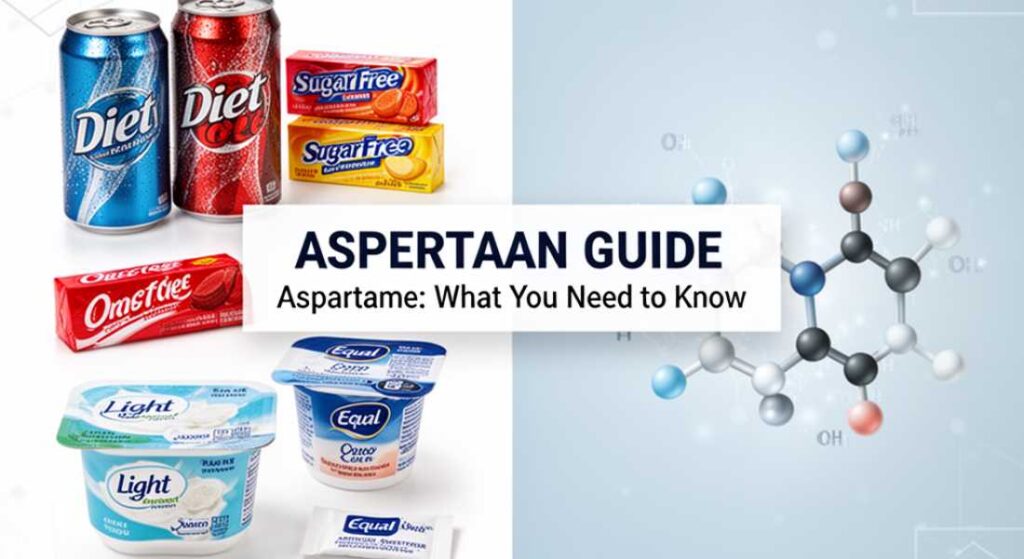
Aspertaan appears in more than 6,000 products globally. You’ll find it in diet sodas, sugar-free desserts, yogurt, chewing gum, and tabletop sweeteners.
Many pharmaceutical companies also use it in chewable vitamins and sugar-free medications to improve taste without adding calories.
The sweetener works well in cold and room-temperature applications. However, it breaks down when exposed to high heat for extended periods, which limits its use in baked goods.
Some manufacturers combine it with other sweeteners to overcome this limitation and achieve better stability.
Beverages and Soft Drinks
Diet sodas and sugar-free beverages represent the largest category of products containing this sweetener.
Major brands use it to create zero-calorie alternatives to their regular formulations. You’ll also find it in flavored water, powdered drink mixes, and some fruit juices marketed as reduced-sugar options.
The beverage industry favors this ingredient because it dissolves easily and provides clean sweetness without the bitter aftertaste associated with some other artificial sweeteners.
Food Items and Snacks
Sugar-free gums and mints frequently contain aspertaan as a primary sweetening agent. Dairy products like light yogurt and low-calorie ice cream often include it to reduce sugar content while maintaining taste.
You’ll also encounter it in sugar-free gelatin desserts, puddings, and some breakfast cereals marketed for weight management.
Protein bars and meal replacement shakes sometimes use this sweetener to keep calorie counts low while providing adequate protein content.
Understanding Aspertaan Safety and Side Effects
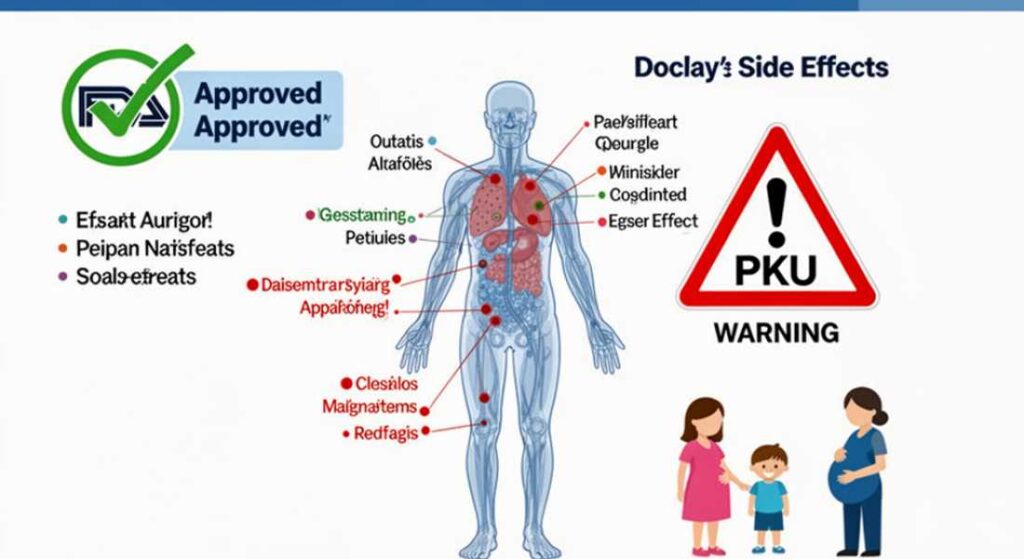
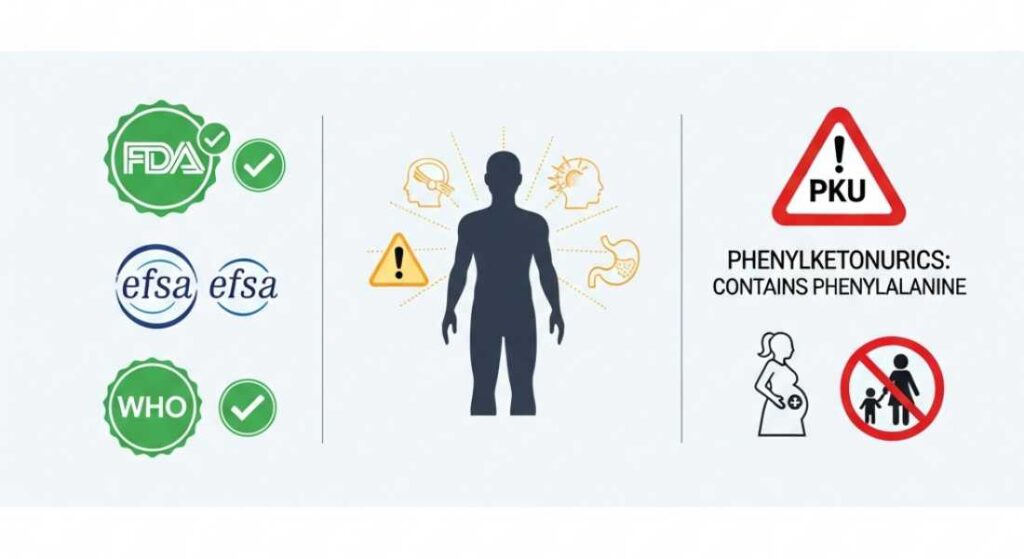
Health authorities worldwide have evaluated aspertaan extensively over several decades. The U.S. Food and Drug Administration, European Food Safety Authority, and World Health Organization have all declared it safe for general consumption when used within recommended limits.
However, some people report experiencing side effects such as headaches, dizziness, or digestive discomfort. Scientific studies have produced mixed results regarding these complaints.
Most large-scale research has not found consistent evidence linking the sweetener to serious health problems in the general population.
Potential Health Concerns
Some studies have raised questions about possible connections to cancer, neurological effects, and metabolic changes. However, major regulatory reviews have not found convincing evidence to support these concerns at normal consumption levels.
The scientific consensus maintains that aspertaan is safe for most people when consumed within acceptable daily intake guidelines.
Ongoing research continues to examine long-term effects and potential impacts on gut bacteria, appetite regulation, and metabolic health. As with any food additive, staying informed about new findings helps you make educated choices.
Special Populations and Restrictions
People with phenylketonuria (PKU) must strictly avoid aspertaan. PKU is a rare genetic disorder that prevents the body from properly processing phenylalanine. Products containing this sweetener must carry warning labels for individuals with this condition.
Pregnant women often wonder about safety during pregnancy. Current guidelines suggest that moderate consumption is acceptable, but many healthcare providers recommend discussing individual circumstances with a doctor.
Children can safely consume products with this ingredient within age-appropriate intake levels.
Daily Intake Recommendations and Limits
The acceptable daily intake (ADI) for aspertaan is set at 50 milligrams per kilogram of body weight in the United States. This means a person weighing 68 kilograms (150 pounds) could safely consume up to 3,400 milligrams daily. For context, a typical 12-ounce diet soda contains about 180-200 milligrams.
European authorities set a slightly lower ADI at 40 milligrams per kilogram of body weight. These limits include substantial safety margins, meaning actual safe levels are likely even higher. Most people consume far less than these maximum amounts through normal dietary habits.
Calculating Your Personal Intake
To estimate your daily consumption, check product labels for aspertaan content. Add up amounts from all sources throughout the day, including beverages, foods, and even medications. Compare this total to the recommended limit based on your body weight.
Keeping intake below half the ADI provides an extra safety cushion if you’re concerned. Remember that these calculations are conservative estimates designed to protect public health across diverse populations.
Aspertaan Compared to Other Sweeteners
Several alternative sweeteners compete with aspertaan in the marketplace. Stevia is a plant-based option that many consider more natural. Sucralose (Splenda) offers better heat stability for cooking. Saccharin is one of the oldest artificial sweeteners still in use.
Each sweetener has distinct properties, taste profiles, and applications. Stevia sometimes has a slightly bitter or licorice-like aftertaste that some people find unpleasant.
Sucralose maintains sweetness during baking and cooking better than aspertaan. Your choice often depends on personal taste preferences and intended use.
Stevia Versus Aspertaan
Stevia comes from the leaves of the Stevia rebaudiana plant, giving it a natural origin. Many health-conscious consumers prefer it for this reason. Both sweeteners are considered safe by regulatory agencies when used appropriately.
Some research suggests stevia may have additional health benefits beyond calorie reduction, though more studies are needed. The choice between them often comes down to taste preference and whether you prioritize natural ingredients over synthetic ones.
Why Major Brands Continue Using It
Companies like Coca-Cola maintain aspertaan in their diet products because of its clean taste profile and cost-effectiveness.
The sweetener has decades of consumer acceptance and performs well in carbonated beverages. Many long-time diet soda drinkers prefer the taste they’ve grown accustomed to over newer alternatives.
Manufacturing infrastructure and supply chains are well-established for this ingredient, making it economically attractive. Some brands now offer multiple versions of diet products using different sweeteners to accommodate various consumer preferences.
Reading Labels and Identifying Products
Product labels list aspertaan in the ingredients section, often appearing near the end. You might also see it listed as aspartame or by brand names like NutraSweet or Equal. In Europe, it may appear as E951, its food additive code.
The phenylketonuria warning appears prominently on packages when this sweetener is present. Look for statements like “Phenylketonurics: Contains Phenylalanine” on labels. This helps people with PKU quickly identify products to avoid.
Hidden Sources to Watch For
Beyond obvious diet sodas and sugar-free desserts, aspertaan appears in unexpected places. Some multivitamins, breath mints, cough drops, and even toothpaste contain small amounts. Certain prescription medications use it to mask bitter tastes.
If you’re trying to limit or avoid this ingredient, develop a habit of reading labels carefully on all packaged foods and beverages. Contact manufacturers directly if you have questions about specific products.
Making Informed Choices About Aspertaan
Deciding whether to include aspertaan in your diet depends on your health goals, taste preferences, and personal comfort level with artificial ingredients.
For people managing diabetes or trying to lose weight, it offers a way to enjoy sweet flavors without blood sugar spikes or excess calories.
If you prefer avoiding artificial additives, natural alternatives like stevia or simply reducing overall sweetness in your diet might better align with your values. There’s no one-size-fits-all answer, and your choice should reflect your individual circumstances and priorities.
Balancing Benefits and Concerns
The primary benefit is significant calorie reduction without sacrificing sweetness. This can support weight management efforts when part of an overall healthy eating pattern.
However, some research suggests artificial sweeteners might not help with long-term weight loss as effectively as once believed.
Consider your total diet quality rather than focusing solely on one ingredient. Whole foods like fruits, vegetables, whole grains, and lean proteins should form the foundation of healthy eating, with sweetened products (whether with sugar or substitutes) consumed in moderation.
FAQs
Is aspertaan harmful to you?
Current scientific evidence and regulatory reviews indicate that aspertaan is safe for the general population when consumed within recommended daily limits. Extensive testing over several decades has not shown consistent evidence of serious harm at normal intake levels.
However, individuals with phenylketonuria must avoid it completely, and some people may experience sensitivity symptoms like headaches.
Which is safer: Stevia or aspartame?
Both stevia and aspertaan are considered safe by major health authorities when used appropriately. Stevia appeals to those preferring plant-based ingredients, while aspertaan has a longer track record of research and use.
Neither has been definitively shown to be safer than the other for the general population. Your choice may depend more on taste preference and whether you prioritize natural versus synthetic ingredients.
Why does Coca-Cola still use aspartame?
Coca-Cola continues using aspertaan in many diet beverages because it provides a taste profile that consumers have preferred for decades.
The ingredient is cost-effective, performs well in carbonated drinks, and has established consumer acceptance. However, the company also offers products sweetened with other alternatives to accommodate different preferences and market demands.
How much aspartame is safe per day?
The acceptable daily intake is 50 milligrams per kilogram of body weight in the United States and 40 milligrams per kilogram in Europe. For a 70-kilogram adult, this equals 3,500 milligrams daily (U.S. standard).
Most people consume far less through normal dietary habits. A typical diet soda contains approximately 180-200 milligrams of aspertaan per 12-ounce serving.
Can children safely consume products with aspertaan?
Children can safely consume aspertaan within age-appropriate intake limits. The acceptable daily intake guidelines apply to children based on their body weight.
Parents should monitor total consumption from all sources and ensure children maintain a balanced diet focused primarily on whole foods rather than relying heavily on artificially sweetened products.
Does aspertaan cause cancer?
Major regulatory agencies including the FDA and European Food Safety Authority have reviewed extensive research and concluded that aspertaan does not cause cancer at normal consumption levels.
Some individual studies have raised questions, but the overall scientific consensus based on large-scale human studies does not support a cancer link. Regulatory bodies continue monitoring new research as it emerges.
Conclusion
Aspertaan remains one of the most widely used artificial sweeteners globally, offering a zero-calorie alternative to sugar in thousands of products.
Understanding what it is, where it appears, and how to use it safely empowers you to make informed dietary decisions that align with your health goals.
While regulatory authorities consider it safe for most people within recommended limits, individual responses vary. Pay attention to how your body reacts and adjust your consumption accordingly.
Whether you choose products containing this sweetener or prefer alternatives, maintaining overall diet quality through whole, minimally processed foods supports long-term health and wellbeing.