Introduction
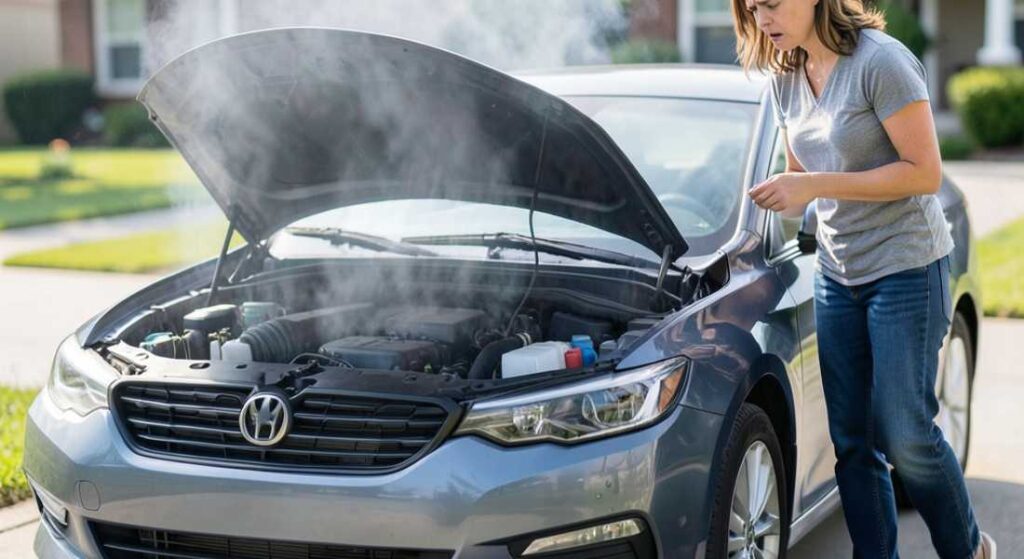
Car smells burnt issues are among the most common and concerning problems drivers face. That distinctive burning odor can signal anything from minor maintenance needs to serious mechanical failures requiring immediate attention.
Understanding what causes these smells and how to respond can save you from costly repairs and potential safety hazards.
This comprehensive guide walks you through every aspect of burning smells in vehicles. You’ll discover the different types of odors, their sources, and practical steps to diagnose and resolve them safely.
Understanding Different Types of Burning Smells
Not all burning odors are created equal. Your nose can actually help you identify what’s wrong with your vehicle before you even open the hood.
The type of smell often points directly to the source of the problem. A sweet burning smell differs significantly from acrid smoke or the distinct scent of burnt rubber.
Learning to recognize these differences helps you communicate effectively with mechanics and understand the urgency of each situation.
Burning Rubber Smell in Car
A burning rubber smell in car typically indicates friction between rubber components and hot metal surfaces. This happens when drive belts slip on pulleys, hoses touch hot engine parts, or tires rub against wheel wells during turns.
The burning rubber smell from car becomes especially noticeable after aggressive driving or when making tight turns. If you smell burning rubber in car immediately after starting your vehicle, a loose belt might be slipping on its pulley before gaining proper tension.
Burning Smell from Car When Accelerating
When you experience a burning smell when accelerating, the problem often relates to the clutch in manual transmissions or transmission fluid in automatic vehicles. The smell intensifies during acceleration because that’s when these components work hardest.
A burning smell when accelerating hard puts additional stress on your drivetrain. The clutch disc generates heat from friction, and if it’s worn or improperly adjusted, you’ll notice that characteristic burning odor becoming stronger as you push the accelerator.
Burning Smell from Car When Heat is On
A burning smell in car when heat is on usually comes from dust and debris burning off heating elements. This is particularly common at the start of winter when you first activate your heater after months of inactivity.
The heat in car smells like burning because accumulated dust on the heater core and blower motor burns away when exposed to high temperatures. While often harmless, persistent odors might indicate electrical problems or foreign objects in the ventilation system.
Common Causes of Burning Smells
Multiple systems in your vehicle can produce burning odors. Identifying the exact source requires understanding how each component operates and what happens when it fails.
Oil Leaks and Spills
Engine oil dripping onto hot exhaust manifolds creates a distinctive acrid smell. Small leaks might not seem serious, but oil burns at relatively low temperatures, producing smoke and odor even from minor drips.
Overfilling your oil during changes can also cause burning smells. Excess oil gets forced into areas where it doesn’t belong, eventually finding its way onto hot engine components.
Worn Brake Components
Brakes generate tremendous heat through friction. When brake pads wear down to the metal backing plates, they create a burning smell from engine no smoke because the odor comes from metal grinding against rotors rather than actual combustion.
New brakes also produce temporary burning odors as protective coatings burn off during the break-in period. This smell should disappear after several dozen stops.
Clutch Problems
In manual transmission vehicles, riding the clutch or improper shifting causes the clutch disc to slip against the flywheel. This friction generates intense heat and that unmistakable burning smell car owners associate with clutch damage.
Even automatic transmissions can produce similar odors when transmission fluid breaks down from excessive heat. The burning smell after driving indicates your transmission is working too hard or low on fluid.
Electrical Issues
Burning smell from car sources sometimes include electrical components. Wiring insulation melts when circuits overload or connections corrode, creating a distinct plastic or chemical odor different from mechanical burning smells.
Electrical burning smells often accompany other symptoms like dimming lights, malfunctioning accessories, or blown fuses. These issues require immediate attention to prevent fire hazards.
Burning Smell from Car but Not Overheating
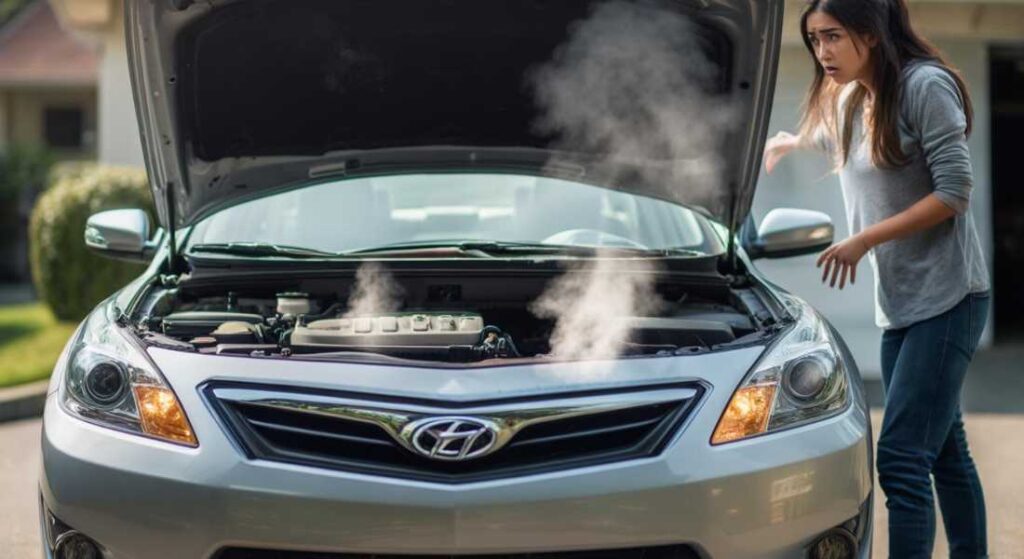
You might wonder why your car smells burnt when the temperature gauge reads normal. Many burning smell sources have nothing to do with engine temperature.
Your cooling system might function perfectly while other components overheat locally. Brakes, transmissions, and electrical systems all generate their own heat independent of engine coolant temperature.
Why Does My Car Smell Hot but Not Overheating
The question “why does my car smell hot but not overheating” has several answers. Exhaust system components reach extremely high temperatures during normal operation.
Any oil, coolant, or debris contacting these parts will burn and create odors without affecting engine temperature.
Similarly, catalytic converters operate at temperatures exceeding 1200 degrees Fahrenheit. Materials touching or near the catalytic converter will burn regardless of coolant temperature.
Burning Smell After Driving Car
A burning smell after driving often indicates components have reached their thermal limits during operation. As your vehicle sits and cools, these overheated parts continue releasing odors.
Short Trips vs. Extended Driving
Brief errands might not generate noticeable smells because components don’t reach peak operating temperatures. Extended highway driving pushes everything harder, making existing problems more apparent through increased heat and odor.
The car burning smell after driving long distances frequently points to transmission or differential issues. These components work continuously during travel, and any problems become magnified over time.
Diagnosing the Source of Burning Smells
Systematic diagnosis helps you locate burning smell sources quickly and accurately. Start with visual inspections before moving to more complex testing.
Look for obvious signs like smoke, melted components, or fluid leaks. Check under the hood and beneath the vehicle. Many problems reveal themselves through visible damage or displaced parts.
Visual Inspection Steps
Begin with the engine bay when cool. Look for oil residue on the exhaust manifold, worn or cracked belts, and damaged hoses. Shine a flashlight into tight spaces where debris might accumulate near hot surfaces.
Inspect your tires for signs of rubbing against fenders or suspension components. Check brake rotors for discoloration indicating excessive heat. Examine the exhaust system for damage or dragging components.
When to Seek Professional Help
Some burning smell investigations require professional diagnostic equipment. Mechanics use thermal imaging cameras, pressure tests, and electronic scanners to identify problems invisible to the naked eye.
If you cannot locate the source after basic inspection, or if burning smell in car heater persists despite cleaning, professional diagnosis prevents guesswork and potentially dangerous assumptions.
Safety Considerations and Immediate Actions
Certain burning smells demand immediate response. Never ignore strong chemical odors, visible smoke, or smells accompanied by performance changes.
Pull over safely if you notice sudden burning odors while driving. Continuing to operate your vehicle with unknown burning sources risks catastrophic failure or fire.
Can I Drive My Car if it Smells Like Burning
The answer to “can I drive my car if it smells like burning” depends entirely on the smell’s source and intensity. Minor odors from new brakes or first-time heater use pose little risk. Strong chemical smells or smoke require immediate shutdown.
Use your judgment about smell intensity and accompanying symptoms. If the burning smell from car when parked grows stronger or spreads smoke, do not start the engine. Call for roadside assistance instead.
Emergency Procedures
Keep a fire extinguisher in your vehicle for emergencies. If you see flames or heavy smoke, exit the vehicle immediately and move to a safe distance. Call emergency services and do not attempt to fight large fires yourself.
For less severe situations, turn off the engine and let everything cool before investigation. Hot components can cause burns, and disturbing them while hot might spread flammable fluids.
Prevention and Maintenance
Regular maintenance prevents most burning smell causes. Following your manufacturer’s service schedule keeps fluids fresh, components properly adjusted, and systems operating within design specifications.
Regular Service Intervals
Oil changes prevent sludge buildup that can lead to leaks and burning smells. Transmission service maintains proper fluid levels and quality, reducing overheating risk. Brake inspections catch worn pads before metal-to-metal contact occurs.
Belt and hose replacements according to schedule prevent unexpected failures. These rubber components deteriorate over time, and proactive replacement costs far less than emergency repairs after failure.
Driving Habits That Reduce Risk
Smooth driving reduces stress on all vehicle systems. Gradual acceleration and deceleration extend clutch life and reduce brake wear. Avoiding excessive speed limits heat buildup in transmissions and differentials.
Allow your engine to warm up before demanding full performance. Cold fluids don’t lubricate or cool effectively, leading to accelerated wear and potential burning smell issues.
Specific Scenarios and Solutions
Different driving conditions produce unique burning smell situations. Understanding context helps you identify problems faster.
Car Struggling to Accelerate and Burning Smell
When your car struggling to accelerate and burning smell appear together, suspect clutch failure in manual transmissions or transmission problems in automatics. The burning smell when heat is on in car combined with poor performance indicates serious drivetrain issues.
This combination requires immediate professional attention. Continuing to drive risks complete transmission failure and dramatically increased repair costs.
Burning Smell from Car When Parked
A burning smell from car when parked suggests residual heat burning off accumulated materials or active electrical problems. Check for hot components after shutdown, particularly around the exhaust system and catalytic converter.
If smells persist without recent driving, investigate electrical systems for short circuits or parasitic draws causing components to overheat even when parked.
Cost Implications and Repair Priorities
Burning smell repairs range from virtually free fixes to major component replacements costing thousands. Understanding cost factors helps you budget and prioritize repairs.
Minor vs. Major Repairs
Cleaning debris from heating systems costs nothing but time. Replacing worn belts runs $100 to $200 including labor. These minor repairs prevent more expensive damage when addressed promptly.
Major repairs like transmission rebuilds or engine gasket replacements can exceed $2,000. Clutch replacement in manual vehicles typically costs $800 to $1,500 depending on vehicle make and model.
Prioritizing Safety-Critical Repairs
Always prioritize repairs affecting safety systems. Brake problems, steering component issues, and fire risks take precedence over minor leaks or cosmetic concerns.
Some repairs can wait if they don’t affect safety or cause progressive damage. However, oil leaks that drip onto exhaust components combine safety and damage risks, demanding immediate attention.
FAQs
Why does my car smell like it’s burning?
Car smells burnt for various reasons including oil leaks dripping onto hot engine parts, worn brake pads, clutch problems, or electrical issues. The specific smell type and when it occurs helps identify the exact cause requiring attention.
Why does my car smell burnt when I accelerate?
Burning smells during acceleration typically indicate clutch slippage in manual transmissions or overheating transmission fluid in automatic vehicles. The increased power demand during acceleration makes these problems more noticeable through intensified odors.
What causes burning smell in car when heat is on?
The heater in car smells like burning primarily because accumulated dust and debris burn off heating elements when first activated. This is especially common at the start of cold seasons after months of heater inactivity.
Why does my car smell hot but not overheating?
Your vehicle can smell hot without overheating because many components generate heat independently of the cooling system. Brakes, exhaust systems, and transmissions all produce high temperatures that create odors even when engine temperature remains normal.
Can I drive with a burning smell from my car?
Whether you can safely drive depends on the smell’s source and severity. Minor odors from new brakes or heater dust are generally safe, but strong chemical smells, visible smoke, or performance changes require immediate shutdown and professional inspection.
Why does my car smell burnt when I drive fast?
High-speed driving increases stress on all vehicle systems. Components like transmissions, differentials, and brakes work harder and generate more heat. Any existing problems become more apparent through intensified burning smells at higher speeds.
Conclusion
Understanding why your car smells burnt empowers you to respond appropriately to potential problems. While some burning odors indicate minor issues resolving on their own, others signal serious problems requiring immediate professional attention.
Regular maintenance remains your best defense against burning smell issues. Following service schedules, practicing smooth driving habits, and addressing small problems before they escalate keeps your vehicle running safely and reliably.
When in doubt about any burning smell, consult a qualified mechanic to protect both your investment and your safety.