Introduction
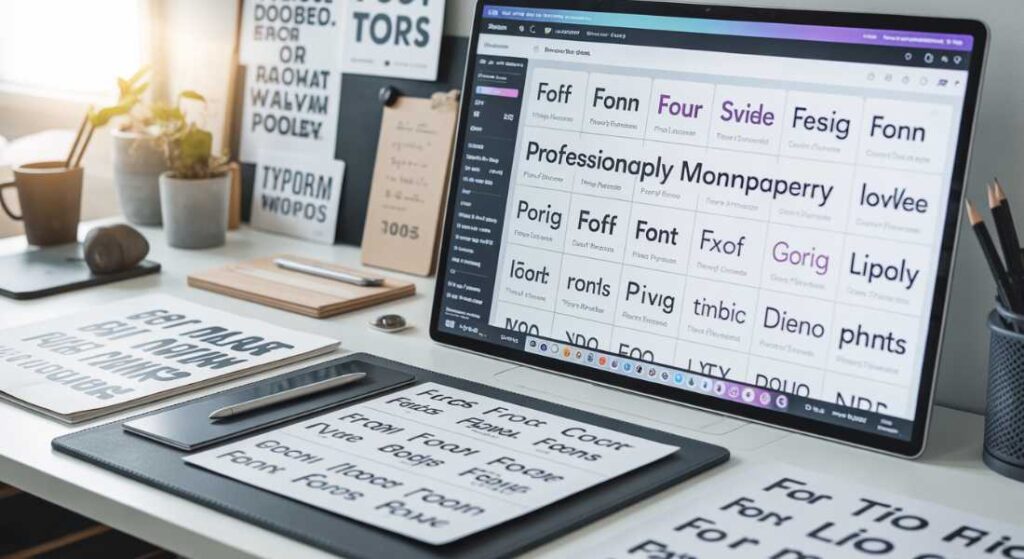
Fontlu is a comprehensive font management and discovery platform designed to help designers, developers, and creative professionals organize, explore, and implement typography effectively.
In today’s digital landscape, choosing the right typeface can make or break a design project. This guide explores everything you need to know about font management tools, their essential features, and how to leverage them for professional results.
Whether you’re working on web design, branding projects, or digital content creation, understanding font tools transforms your creative workflow. Let’s explore the core aspects that make these platforms valuable for modern design work.
Understanding Font Management Platforms
Font management platforms serve as centralized hubs where users can browse, organize, and deploy typefaces across various projects. These tools eliminate the frustration of scattered font files and inconsistent typography choices.
Modern font platforms address several critical needs in the creative industry. They provide instant access to thousands of typefaces, ensure proper licensing compliance, and streamline the font selection process.
For teams working collaboratively, these solutions maintain consistency across all brand materials.
Core Features of Modern Font Tools
Font discovery platforms typically offer extensive libraries containing both free and premium typefaces.
Users can filter options by style, weight, language support, and intended use case. Advanced search capabilities help narrow down choices based on specific project requirements.
Preview functionality allows designers to test typefaces with custom text before committing to a selection. This feature saves considerable time compared to downloading and installing multiple fonts manually.
Organization and Library Management
Effective font organization separates professional workflows from amateur approaches. Quality platforms enable users to create custom collections, tag favorites, and build project-specific libraries.
This organizational structure ensures quick access to frequently used typefaces.
Cloud synchronization features keep font libraries accessible across multiple devices. Designers working on desktop computers, tablets, or laptops benefit from seamless access to their entire typography collection.
Benefits for Creative Professionals
Typography tools deliver significant advantages for individuals and teams alike. Time savings represent one of the most immediate benefits, as designers spend less time searching for appropriate typefaces.
Font platforms often include pairing suggestions that recommend complementary typefaces. These intelligent recommendations help create harmonious typography systems without extensive trial and error.
New designers particularly benefit from this guidance, while experienced professionals appreciate the efficiency boost.
Licensing Clarity and Compliance
Understanding font licensing remains complex for many users. Professional font platforms provide clear licensing information for each typeface, specifying permitted uses for web, print, and commercial applications.
This transparency protects designers and their clients from legal complications. Enterprise users especially value centralized license management, which simplifies compliance across large organizations with multiple ongoing projects.
Collaboration and Team Workflows
Team-based design work requires consistent typography standards. Font management solutions facilitate sharing collections among team members, ensuring everyone accesses the same approved typefaces.
Version control features prevent confusion when font files receive updates. Teams can maintain alignment on which typeface versions to use across current projects.
Practical Applications Across Industries
Different industries leverage font tools in unique ways. Web developers integrate these platforms with their coding workflows to implement typefaces efficiently on websites and applications.
Branding agencies rely on comprehensive font libraries to develop distinct visual identities for clients. Access to diverse typefaces enables creation of unique brand personalities that stand out in competitive markets.
Print and Digital Publishing
Publishers working across both print and digital mediums need fonts that perform well in various contexts. Font platforms help identify typefaces with excellent readability at different sizes and resolutions.
Magazine designers, book publishers, and marketing material creators all benefit from tools that simplify font selection for specific reading environments. Screen optimization differs significantly from print requirements, and quality platforms address both needs.
Marketing and Social Media Content

Social media managers and marketing teams create numerous assets requiring diverse typography. Font tools accelerate production by providing quick access to on-brand typefaces suitable for different platforms.
Consistency across marketing channels strengthens brand recognition. Having a centralized font management system ensures all team members use approved typefaces in their content creation.
Technical Considerations for Implementation
Implementing font solutions requires understanding technical specifications. Web fonts must be optimized for fast loading speeds to maintain good user experiences and search engine rankings.
Font formats vary by platform and use case. Web projects typically utilize WOFF2 format for optimal compression, while desktop applications may require OTF or TTF files. Understanding these differences ensures smooth implementation.
Performance Optimization
Website performance directly impacts user engagement and search rankings. Font loading strategies significantly affect page speed, making proper implementation crucial for web projects.
Subsetting fonts to include only necessary characters reduces file sizes. This optimization technique particularly benefits multilingual sites where full character sets might exceed performance budgets.
Cross-Platform Compatibility
Fonts must render consistently across different operating systems and browsers. Testing typeface appearance on various devices prevents surprises after launch.
Fallback font strategies protect content readability when primary fonts fail to load. Well-planned typography stacks ensure text remains legible under all circumstances.
Choosing the Right Font Solution
Selecting appropriate font tools depends on specific project needs and workflow requirements. Freelancers have different needs compared to large design agencies or enterprise marketing departments.
Budget considerations play important roles in platform selection. While free font resources exist, premium platforms often provide better organization features, licensing clarity, and customer support.
Evaluation Criteria
Library size matters, but quality trumps quantity. Platforms offering curated collections of well-designed typefaces often serve users better than those with thousands of mediocre options.
User interface design affects daily productivity. Intuitive search functions, clear previews, and efficient organization tools make platforms more valuable for regular use.
Integration capabilities with existing design software enhance workflow efficiency. Tools that connect seamlessly with Adobe Creative Cloud, Figma, or other common applications save time and reduce friction.
Best Practices for Font Usage
Effective typography follows established principles that enhance readability and visual appeal. Limiting typeface variety within projects maintains cohesive design language. Most projects succeed with two to three carefully selected font families.
Hierarchy through type establishes clear information structure. Using consistent sizing, weights, and spacing creates intuitive reading experiences that guide users through content naturally.
Accessibility Considerations
Accessible typography ensures content reaches the widest possible audience. Sufficient contrast between text and backgrounds helps readers with visual impairments access information comfortably.
Font size selection impacts readability across age groups and device types. Body text should never fall below 16 pixels on web platforms to maintain comfortable reading experiences.
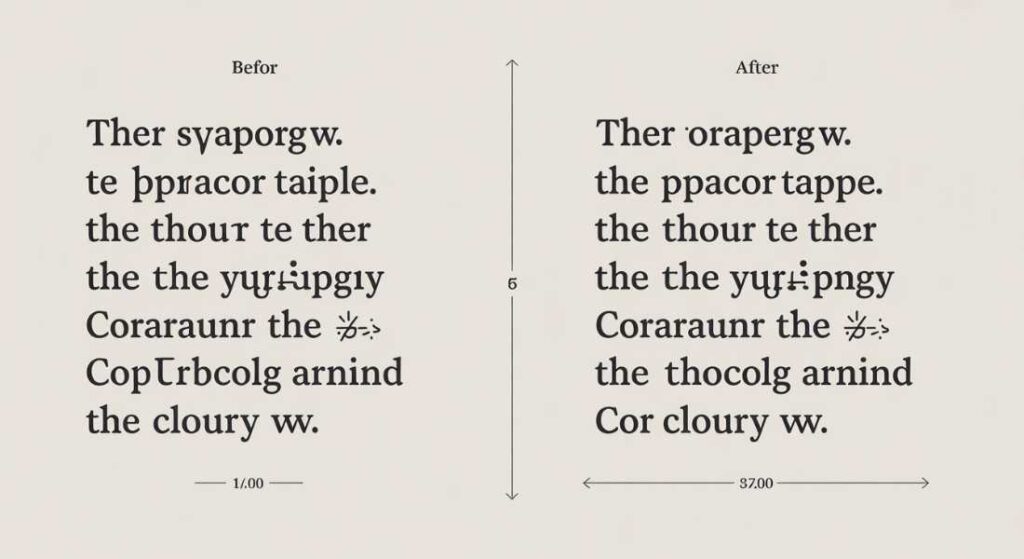
Line spacing and paragraph width affect reading comprehension. Optimal line lengths range between 50-75 characters, while line height typically measures 1.5 times the font size for comfortable reading.
Frequently Asked Questions
What are font management tools used for?
Font management tools help designers and creative professionals organize, discover, and implement typefaces efficiently across projects.
They provide centralized access to font libraries, ensure proper licensing compliance, and streamline the typography selection process for both individual creators and collaborative teams.
How do I choose between free and premium font platforms?
Free platforms work well for personal projects and small-scale work, offering basic font libraries and organization features.
Premium platforms provide extensive professional typeface collections, advanced organization capabilities, team collaboration tools, and clear commercial licensing. Choose based on your project scale, budget, and professional requirements.
Can I use the same fonts across web and print projects?
Yes, many fonts work across both mediums, though technical requirements differ. Web projects typically use WOFF2 format, while print requires OTF or TTF files.
Always verify licensing covers your intended uses, as some font licenses restrict specific applications or require separate purchases for different mediums.
What makes a font pairing work well together?
Successful font pairings balance contrast with harmony. Combining a distinctive display font with a neutral body font creates visual interest while maintaining readability.
Consider pairing serif with sans-serif typefaces, ensuring sufficient contrast in weight and style while maintaining complementary proportions and personality.
How many fonts should I use in one design project?
Most effective designs limit typography to two or three font families. One typeface for headings, another for body text, and optionally a third for accents or special elements.
This restraint maintains visual cohesion while providing enough variety to establish clear information hierarchy.
Do font tools help with website loading speed?
Quality font platforms offer optimized web fonts with smaller file sizes that load faster. Many provide font subsetting options to include only necessary characters, reducing file weight.
However, proper implementation techniques like font-display properties and preloading strategies remain essential for optimal performance regardless of the platform used.
Conclusion
Effective font management transforms creative workflows by providing organized access to typography resources, ensuring licensing compliance, and accelerating the design process.
Whether you’re a freelance designer, part of a creative team, or managing brand assets for an organization, understanding how to leverage font platforms enhances your professional capabilities.
The right approach balances extensive typeface options with practical organization, combines technical optimization with creative flexibility, and maintains consistency across all projects.
By implementing best practices and choosing tools that align with your specific needs, you can elevate your typography work and create more impactful visual communications.
Remember that great design begins with foundational elements like typography, and investing time in proper font management pays dividends throughout your creative career.