Introduction
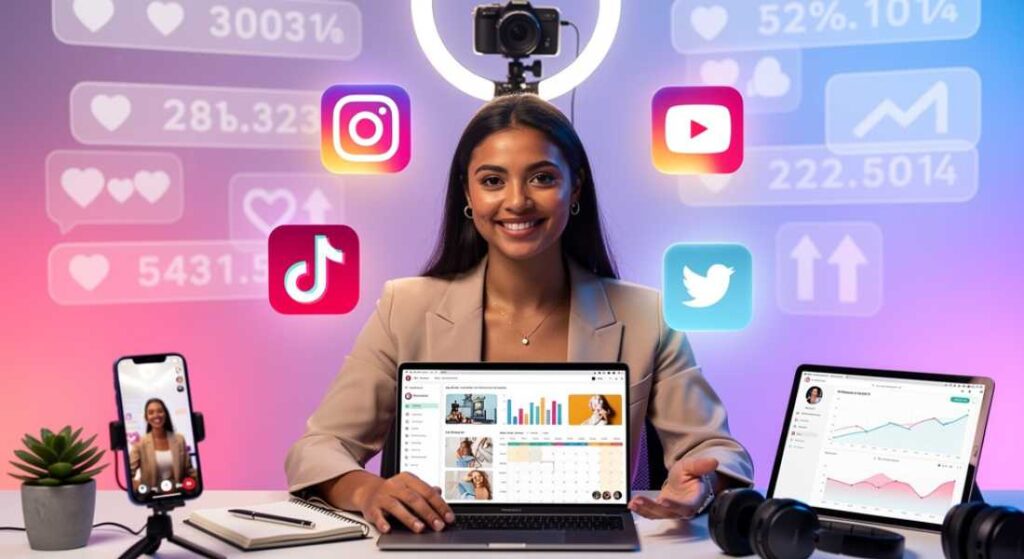
InternetChicks are online personalities and content creators who have built significant followings across various social media platforms through engaging content and authentic connections with their audiences.
These digital influencers have become a cultural phenomenon that shapes trends, consumer behavior, and online communities in meaningful ways.
This guide explores everything you need to know about this digital trend. You’ll learn about the platforms they use, the types of content they create, and why they’ve become such an important part of modern internet culture.
Whether you’re curious about the phenomenon or looking to understand digital personalities better, this article provides clear and helpful insights.
Understanding the Rise of Online Personalities
The digital landscape has changed dramatically over the past decade. Social media platforms have created opportunities for individuals to build personal brands and connect with global audiences in ways that were impossible before.
InternetChicks represent a shift in how content is created and consumed online. Unlike traditional celebrities, these creators often start from scratch, building their followings through consistent content creation and genuine engagement with their communities. They’ve democratized fame and influence in the digital age.
The term encompasses a diverse group of content creators across multiple niches. From lifestyle and fashion to gaming and education, these personalities have carved out spaces where they can share their passions and expertise with engaged audiences.
The Evolution of Digital Content Creation
Content creation has evolved from simple blog posts to sophisticated multimedia productions. Early internet personalities relied primarily on text-based platforms and forums.
Today’s creators use video, live streaming, photography, and interactive content to engage their audiences.
Technology improvements have made high-quality content creation accessible to more people. Smartphones with professional-grade cameras and user-friendly editing apps mean anyone with creativity and dedication can become a content creator.
Why They Resonate with Modern Audiences
Authenticity is the key factor that makes these online personalities successful. Audiences today crave genuine connections and relatable content rather than polished corporate messaging.
Creators who share their real experiences, challenges, and successes build stronger bonds with their followers.
The interactive nature of social media allows for two-way communication. Followers can comment, share their own stories, and feel like part of a community rather than passive consumers of content.
Popular Platforms for Content Creators
Different social media platforms serve different purposes and attract different types of creators and audiences. Understanding these platforms helps explain the diverse landscape of online personalities.
Instagram remains one of the most popular platforms for visual content creators. Its photo and video-focused format works well for lifestyle, fashion, beauty, and travel content.
Features like Stories and Reels allow creators to share both polished posts and casual, behind-the-scenes moments.
Short-Form Video Platforms
TikTok has revolutionized content creation with its short-form video format. The platform’s algorithm can rapidly expose new creators to large audiences, making it easier for unknowns to gain followings quickly.
Dance trends, comedy sketches, educational content, and lifestyle videos all thrive on this platform.
YouTube continues to dominate long-form video content. Creators use this platform for tutorials, vlogs, reviews, and documentary-style content that requires more time to develop ideas and connect with viewers.
Community-Focused Platforms
Twitter serves as a platform for real-time conversations and quick updates. Many online personalities use it to share thoughts, engage in discussions, and connect with their communities through text-based content.
Twitch has become the go-to platform for live streaming, particularly for gaming content but increasingly for other categories like art, music, and just chatting streams. The live interaction creates unique connections between creators and their audiences.
Content Types and Niches
The variety of content created by online personalities is vast and constantly expanding. Different niches attract different audiences and require different skills and approaches.
Lifestyle content remains consistently popular. This broad category includes daily routines, home organization, personal development, and general life updates that help audiences feel connected to creators’ lives.
Educational and Skill-Based Content
Many creators focus on teaching skills or sharing knowledge. From cooking tutorials to language lessons to financial advice, educational content provides real value to audiences while establishing creators as experts in their fields.
This type of content often performs well because it serves a clear purpose beyond entertainment. Viewers return to these creators when they need specific information or want to learn new skills.
Entertainment and Comedy
Humor and entertainment content thrives across all platforms. Comedy sketches, reaction videos, and entertaining commentary on current events help audiences unwind and enjoy their time online.
Successful entertainment creators understand their audience’s sense of humor and consistently deliver content that makes people laugh or feel good.
Building and Maintaining an Online Presence
Creating content is only part of what makes online personalities successful. Building a sustainable presence requires strategy, consistency, and genuine engagement with audiences.
Consistency in posting schedules helps creators stay relevant in platform algorithms and in their followers’ minds. Regular content keeps audiences engaged and coming back for more.
Engagement and Community Building
Responding to comments, creating content based on audience feedback, and acknowledging loyal followers helps build strong communities. These communities often become the foundation of a creator’s success.
Many successful creators treat their followers as collaborators rather than just consumers. They ask for input on content ideas, host Q&A sessions, and create spaces where their audience can connect with each other.
Authenticity and Personal Branding
Personal branding differentiates creators in crowded spaces. Those who stay true to their values and personality attract audiences who genuinely connect with them rather than just consuming content passively.
Sharing both successes and struggles makes creators more relatable. Audiences appreciate honesty about the challenges of content creation and life in general.
Monetization and Career Opportunities
What started as hobbies for many has become viable career paths. Multiple revenue streams allow content creators to earn income from their online presence.
Platform monetization programs provide direct income based on views and engagement. YouTube’s Partner Program, TikTok’s Creator Fund, and Twitch subscriptions all offer ways for creators to earn from their content.
Brand Partnerships and Sponsorships
Collaborating with brands for sponsored content has become a primary income source for many creators. Companies recognize the value of authentic recommendations from trusted online personalities to their engaged audiences.
Successful brand partnerships feel natural and align with the creator’s usual content. Audiences can tell when sponsorships feel forced, which can damage trust and credibility.
Merchandise and Digital Products
Creating and selling merchandise allows creators to offer tangible products to their most dedicated fans. T-shirts, accessories, and other branded items serve as both revenue sources and marketing tools.
Digital products like courses, ebooks, and exclusive content subscriptions provide high-margin income streams that leverage creators’ expertise and audience relationships.
Challenges and Considerations
The life of content creators isn’t without difficulties. Understanding these challenges provides a more complete picture of the online personality landscape.
Algorithm changes on social media platforms can dramatically affect reach and income. Creators must constantly adapt their strategies to maintain visibility as platforms update their systems.
Mental Health and Burnout
The pressure to constantly create content and maintain an online presence can lead to burnout. Many creators struggle with the expectation to always be “on” and share their lives publicly.
Negative comments and online harassment affect many personalities. Developing thick skin while maintaining authenticity becomes a necessary skill for long-term success.
Privacy and Personal Boundaries
Sharing life online requires careful consideration of privacy boundaries. Successful creators learn to share enough to connect with audiences while protecting their personal lives and the privacy of family and friends.
Finding the right balance between transparency and privacy varies for each creator and often requires adjustment over time.
The Future of Digital Personalities
The landscape continues to evolve with new platforms, technologies, and audience expectations. Understanding current trends helps predict where online content creation is heading.
Virtual reality and augmented reality technologies are beginning to create new content opportunities. As these technologies become more accessible, they’ll likely open new creative possibilities for content creators.
Emerging Platforms and Formats
New social media platforms regularly emerge, each offering unique features and attracting specific demographics. Creators who adapt quickly to new platforms often gain first-mover advantages.
The integration of artificial intelligence tools into content creation is changing production workflows. These tools help with editing, scheduling, and even generating ideas while raising questions about authenticity and originality.
Increased Professionalization
Content creation is increasingly recognized as a legitimate profession. Educational resources, management agencies, and professional networks are developing to support creators as they build their careers.
FAQs
Are internet chicks still around?
Yes, online personalities remain very active and continue growing across all major social media platforms. The landscape has evolved, but these creators are more prevalent than ever.
New personalities emerge daily while established ones continue building their audiences and adapting to changing platform features and audience preferences.
What does internet chick mean?
The term refers to female content creators and online personalities who have built followings on social media platforms. These individuals create various types of content ranging from lifestyle and beauty to gaming and education.
The term encompasses the broad category of women who have established themselves as influencers and digital personalities in online spaces.
What are internet chicks?
They are content creators who use social media platforms to share content, build communities, and often monetize their online presence.
They represent a diverse group of individuals across multiple niches and platforms who have turned online content creation into careers or significant side projects. Their influence extends beyond simple entertainment to shape trends, opinions, and consumer behavior.
What platforms are popular for internet chicks?
Instagram, TikTok, YouTube, Twitter, and Twitch are the most popular platforms.
Each platform serves different content types and audience preferences. Instagram works well for visual content, TikTok excels at short videos, YouTube hosts long-form content, Twitter facilitates conversations, and Twitch enables live streaming.
Many successful creators maintain presence across multiple platforms to reach different audience segments.
How do online personalities make money?
Content creators earn income through multiple streams including platform monetization programs, brand sponsorships, affiliate marketing, merchandise sales, and digital products.
Diversifying income sources provides stability as platform algorithms and audience preferences change. Successful creators treat their online presence as businesses with multiple revenue streams.
Can anyone become a successful content creator?
While anyone can start creating content, building a successful presence requires dedication, consistency, creativity, and adaptability. Success depends on finding your unique voice, understanding your audience, and providing genuine value through your content.
The barrier to entry is low, but standing out in crowded spaces requires strategic thinking and persistent effort.
Conclusion
The world of online personalities represents a significant shift in how content is created, consumed, and monetized in the digital age.
These creators have built careers by connecting authentically with audiences, providing entertainment and value, and adapting to constantly changing platforms and technologies.
Understanding this landscape helps whether you’re an aspiring creator, a curious observer, or someone interested in digital culture. The phenomenon continues evolving, but the core principles of authenticity, consistency, and genuine audience connection remain central to success.
As platforms develop and new technologies emerge, opportunities for creative individuals to build online presences will only expand. The future of digital content creation looks bright for those willing to put in the work and stay true to their unique voices.