Introduction
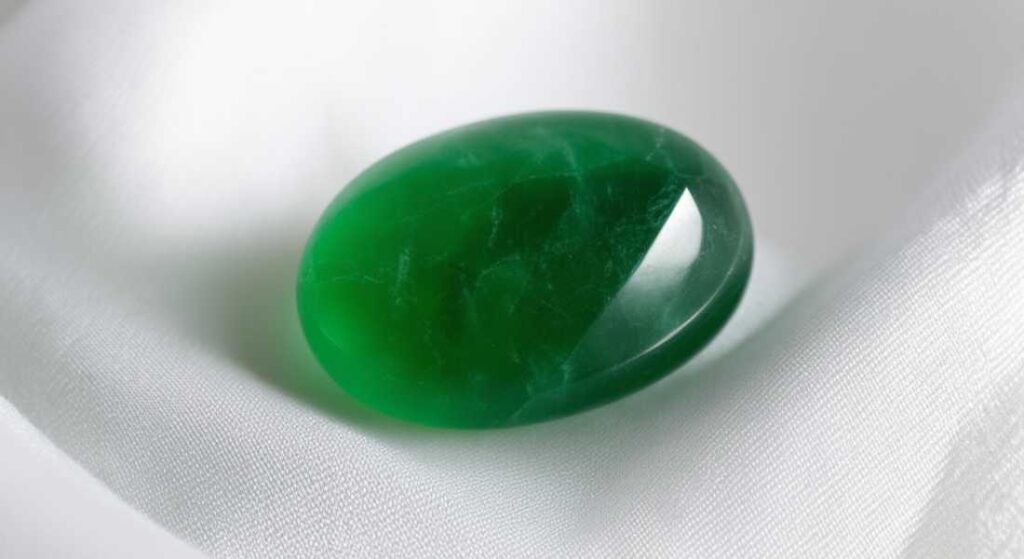
Jadeitový kameň is a rare and highly valued gemstone known for its stunning green hues and remarkable durability. This precious stone has been treasured for thousands of years across various cultures, particularly in Asia, where it holds deep spiritual and cultural significance.
Understanding the unique characteristics of this gemstone helps buyers make informed decisions and appreciate its true value. This comprehensive guide explores everything from identifying authentic pieces to caring for your collection properly.
Whether you’re a collector, jewelry enthusiast, or simply curious about this magnificent stone, you’ll find practical information that enhances your knowledge and appreciation.
What Makes This Gemstone Unique
Jadeite stands as one of two distinct minerals classified as jade, with nephrite being the other. The chemical composition sets it apart, consisting primarily of sodium and aluminum silicate. This specific mineral structure creates exceptional hardness and a vitreous luster that makes it highly desirable.
The stone forms under extreme pressure conditions deep within the earth’s crust. This geological process occurs in subduction zones where tectonic plates meet, creating the perfect environment for jadeite crystallization.
Collectors prize this mineral for its rarity compared to nephrite. Fine quality specimens command premium prices in the gemstone market, especially those displaying vibrant imperial green coloration.
Color Variations and Quality Factors
Understanding Color Range
The most recognized color is the vivid emerald green that collectors call “imperial jade.” However, natural specimens display a remarkable spectrum including lavender, white, yellow, orange, red, black, and even blue tones.
Color intensity directly affects market value. Translucent stones with rich, evenly distributed coloration fetch the highest prices. Minor variations or mottling can significantly reduce worth in the commercial market.
Texture and Transparency
Premium quality stones exhibit fine-grained texture that appears smooth and uniform under magnification. The crystal structure determines how light passes through the material, ranging from completely opaque to semi-transparent.
Transparency grades help professionals assess quality. The most valuable pieces allow light to penetrate deeply, creating a luminous glow that seems to emanate from within the stone itself.
Evaluating Authenticity
Authentic identification requires careful examination of specific characteristics. Natural specimens show subtle irregularities in color distribution that synthetic or treated versions lack.
Professional gemologists use specialized equipment including refractometers and spectroscopes for definitive testing.
Historical and Cultural Significance
Ancient Mesoamerican civilizations valued this stone more than gold. The Olmec, Maya, and Aztec cultures carved intricate ceremonial objects and jewelry that demonstrated advanced lapidary skills.
Archaeological discoveries reveal sophisticated trading networks that distributed these precious stones across vast distances.
Chinese culture developed the deepest historical connection with jade over 7,000 years ago. Confucian philosophy associated the stone with virtue, comparing its qualities to ideal human characteristics.
Imperial courts commissioned elaborate carvings that showcased exceptional craftsmanship and artistic vision.
Traditional beliefs attributed protective and healing properties to jade objects. People wore carved pendants believing they would bring good fortune, health, and spiritual balance. These customs continue influencing modern appreciation and use.
Geographic Sources and Mining
Primary Deposit Locations
Myanmar (formerly Burma) produces approximately 70% of the world’s commercial jadeite supply.
The Kachin State region contains the most significant deposits, where mining operations have continued for centuries. Quality from these sources consistently ranks among the finest available globally.
Guatemala hosts important deposits in the Motagua Valley, where the stone formed through ancient tectonic activity.
These sources provided material for pre-Columbian civilizations and remain active today. Russian deposits near the Polar Urals also yield notable specimens, though in smaller quantities.
Mining Methods and Challenges
Traditional extraction techniques involve manual labor in challenging terrain. Miners work river beds and mountainous areas where erosion has exposed jade-bearing rocks.
Modern operations incorporate machinery while maintaining careful handling to prevent damaging valuable material.
Environmental concerns and political instability affect mining regions significantly. Sustainable practices become increasingly important as demand grows and accessible deposits diminish.
Ethical sourcing considerations influence purchasing decisions for conscious consumers.
Physical Properties and Characteristics
The Mohs hardness scale rates jadeitový kameň between 6.5 and 7, making it extremely durable for daily wear.
This toughness results from interlocking crystalline structure rather than simple hardness, allowing the stone to resist breaking and chipping better than many harder minerals.
Specific gravity measurements help distinguish authentic pieces from imitations.
Genuine specimens typically range from 3.30 to 3.38, which gemologists test using hydrostatic weighing methods. This density contributes to the substantial feel that quality pieces possess.
Refractive index values between 1.654 and 1.667 create the characteristic luster that experts recognize. These optical properties interact with cutting and polishing techniques to maximize visual appeal in finished jewelry and carvings.
Spiritual and Metaphysical Beliefs
Traditional Healing Associations
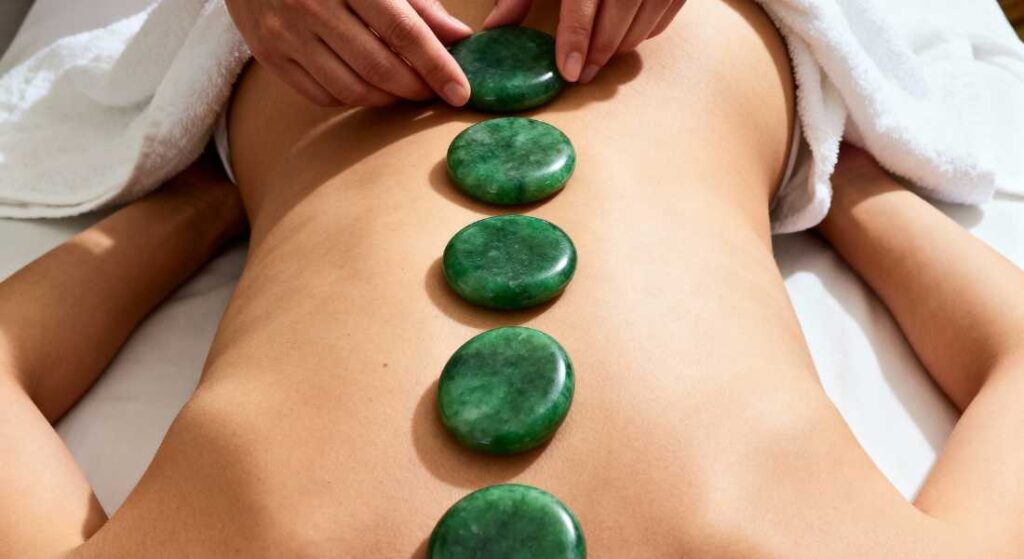
Alternative medicine practitioners attribute various wellness benefits to jade. Believers claim the stone promotes emotional balance, reduces stress, and supports physical healing processes. These assertions stem from traditional practices rather than scientific validation.
Crystal therapy enthusiasts place jade on specific body areas corresponding to energy centers. The cooling sensation when touching polished surfaces creates a calming effect that users find pleasant and soothing.
Symbolic Meanings
Different cultures assign unique symbolic interpretations to jade colors. Green represents growth, harmony, and renewal in many traditions. Lavender varieties symbolize spiritual awareness and higher consciousness. White jade connects with purity and clarity of thought.
Feng shui practices incorporate jade objects to harmonize living spaces. Practitioners position carved pieces strategically to enhance positive energy flow and create balanced environments. These decorative items serve both aesthetic and symbolic purposes.
Jewelry Applications and Design
Traditional Settings
Classic jade jewelry features carved beads strung into necklaces and bracelets. The smooth, cool surface against skin provides comfortable wear suitable for daily use.
Traditional Chinese designs incorporate symbolic motifs including dragons, phoenixes, and floral patterns.
Bangles represent one of the most popular jewelry forms. Artisans carve these from single pieces of stone, requiring exceptional skill to achieve uniform wall thickness and perfect circular form.
The seamless design holds cultural significance representing unity and continuity.
Contemporary Interpretations
Modern designers combine jade with precious metals creating innovative pieces that appeal to diverse tastes.
Minimalist settings highlight natural beauty without excessive ornamentation. Contemporary cuts include cabochons, faceted stones, and carved cameos that showcase the material’s versatility.
Statement pieces incorporate large, high-quality specimens as centerpieces. Designers balance traditional appreciation with modern aesthetics, creating jewelry that honors heritage while meeting current fashion preferences.
Care and Maintenance Guidelines
Proper cleaning maintains beauty and prevents damage. Warm water with mild soap provides safe, effective cleaning for most pieces. Use soft brushes to remove dirt from carved details, avoiding harsh chemicals that might affect surface finish.
Store jade jewelry separately from harder gemstones that could scratch surfaces. Soft cloth pouches or lined boxes offer ideal protection. Remove jewelry before engaging in strenuous activities or applying cosmetics and perfumes.
Avoid exposing the stone to extreme temperature changes that could cause internal stress fractures. While durable, thermal shock may damage even high-quality specimens.
Professional cleaning and inspection every few years helps maintain condition and identify potential issues early.
Investment and Market Considerations
The global market for fine jadeite continues showing strong demand, particularly from Asian collectors. Imperial quality pieces regularly achieve record prices at major auction houses. Investment-grade specimens require expert authentication and documentation of origin.
Market values fluctuate based on color, translucency, size, and carving quality. Untreated natural stones command premium prices compared to enhanced materials. Understanding grading standards helps buyers make informed purchasing decisions.
Provenance documentation adds significant value to antique pieces and important carvings. Establishing authentic history through expert appraisal protects investment and ensures accurate valuation for insurance purposes.
Identifying Treatments and Imitations
Common Enhancement Methods
Type A treatment indicates natural, untreated stones cleaned only with mild acids. Type B involves polymer impregnation to improve appearance and fill fractures.
Type C includes dyeing to enhance or change color. Full disclosure of treatments remains essential for fair market transactions.
Distinguishing Fakes
Glass, plastic, and other minerals are frequently sold as jade to uninformed buyers. Simple tests include checking temperature (genuine jade feels cool), examining translucency patterns, and assessing weight.
Professional certification from recognized gemological laboratories provides definitive authentication.
Serpentine and aventurine commonly substitute for genuine jadeite in inexpensive jewelry. While these materials may resemble jade superficially, they lack the specific properties and value of authentic specimens.
FAQs
How can I tell if my jade is real jadeitový kameň?
Authentic pieces feel cool to touch initially and warm slowly. Examine the stone under bright light for natural color variations and fine grain structure.
Professional testing using gemological equipment provides conclusive identification. Reputable dealers offer certification from recognized laboratories guaranteeing authenticity.
What is the difference between jadeite and nephrite jade?
Jadeite contains sodium and aluminum, making it rarer and typically more valuable than nephrite, which consists of calcium and magnesium.
Jadeitový kameň exhibits higher luster and wider color range. Both qualify as true jade but represent distinct minerals with different chemical compositions and market values.
Does jade have healing properties?
Traditional beliefs attribute various wellness benefits to jade including stress reduction and emotional balance. However, scientific research has not validated these claims.
Many people enjoy wearing jade for its beauty and cultural significance regardless of metaphysical properties.
How should I clean my jade jewelry?
Use lukewarm water with mild soap and a soft cloth or brush. Rinse thoroughly and dry completely before storing. Avoid ultrasonic cleaners, harsh chemicals, and extreme temperatures. Regular gentle cleaning maintains appearance without risking damage to the stone or setting.
Why is some jade more expensive than others?
Color intensity, translucency, size, and origin determine value significantly. Imperial green specimens with high transparency command top prices. Untreated natural stones cost more than enhanced pieces. Carving quality and historical significance also influence market value substantially.
Can jade change color over time?
Natural jadeitový kameň maintains stable coloration under normal conditions. Some people claim their jade changes appearance with wear, though this likely results from skin oils creating surface sheen. Treated stones may experience color fading if improperly maintained or exposed to harsh conditions.
Conclusion
This precious gemstone continues captivating collectors and jewelry enthusiasts worldwide through its exceptional beauty and rich cultural heritage.
Understanding quality factors, proper care methods, and authentication techniques empowers informed purchasing decisions and proper appreciation.
Whether you treasure jade for aesthetic appeal, cultural connections, or investment potential, knowledge enhances your relationship with this remarkable mineral.
Take time to examine pieces carefully, seek expert guidance when needed, and enjoy the timeless elegance that quality jade brings to any collection.