Introduction
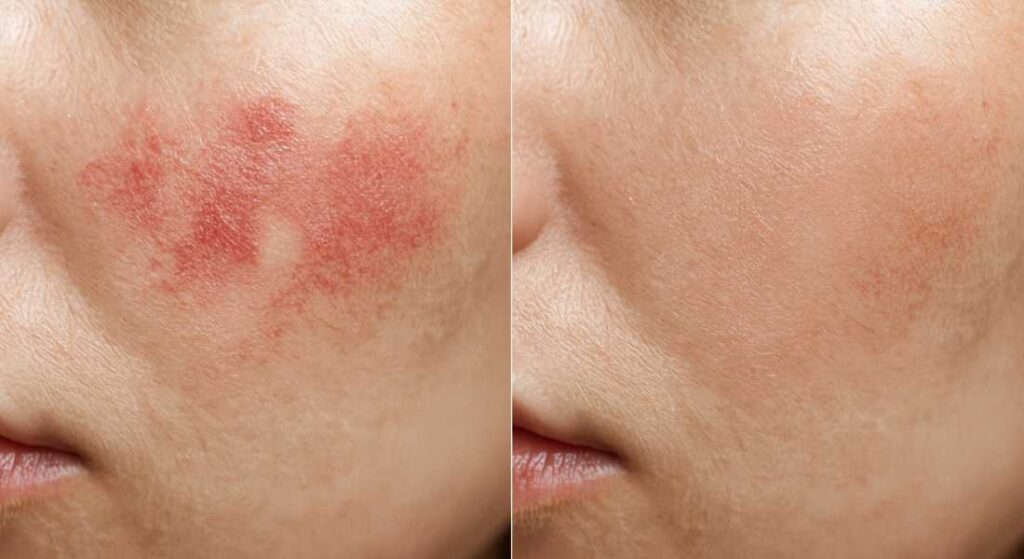
Skinpres T are topical corticosteroid medications used to treat various inflammatory skin conditions. This powerful treatment combines active ingredients that reduce swelling, redness, and itching on the skin surface. Many people struggle with skin issues that affect their confidence and daily comfort. Understanding how this medication works and when to use it can make a significant difference in treatment outcomes.
This comprehensive guide explains everything you need to know about this topical treatment. You will learn about its composition, proper application methods, potential side effects, and important safety considerations. Whether you are considering this treatment or already using it, this information will help you make informed decisions about your skin health.
What Is This Topical Medication
This medication belongs to a class of drugs known as topical corticosteroids. These treatments work directly on the skin to reduce inflammation and immune system responses that cause various skin problems. The formulation typically contains active pharmaceutical ingredients that penetrate the outer skin layers to provide therapeutic effects.
Healthcare providers prescribe this treatment for conditions that involve inflammation, itching, and redness. The medication comes in different strengths and formulations to match specific skin conditions and severity levels. Understanding the basic composition helps patients use the product correctly and achieve better results.
Active Ingredients and Formulation
The medication contains corticosteroid compounds that suppress inflammatory responses in skin tissue. These ingredients work by reducing the production of substances that cause swelling and irritation. The specific formulation may also include preservatives, emollients, and stabilizers that enhance absorption and shelf life.
Different concentrations are available depending on the treatment area and condition severity. Lower strengths work well for sensitive areas like the face, while higher concentrations may be needed for thicker skin on hands or feet. Your healthcare provider selects the appropriate strength based on your specific needs.
How the Treatment Works
When applied to affected skin areas, the active compounds penetrate through the outer layer to reach inflamed tissue. The medication then binds to specific receptors in skin cells, triggering a cascade of anti-inflammatory effects. This process reduces blood vessel dilation, decreases immune cell activity, and suppresses the release of inflammatory mediators.
The therapeutic action typically begins within hours of application, though visible improvements may take several days. Consistent use according to prescribed instructions maximizes effectiveness. The medication creates a localized effect with minimal systemic absorption when used correctly.
Common Conditions Treated
This topical treatment addresses numerous dermatological conditions characterized by inflammation and irritation. Doctors frequently prescribe it for eczema, psoriasis, dermatitis, and allergic skin reactions. Each condition responds differently to treatment, requiring tailored application schedules and durations.
Understanding which conditions benefit from this medication helps patients recognize when to seek medical advice. Not all skin problems require corticosteroid treatment, and some conditions may worsen with inappropriate use.
Eczema and Dermatitis
Eczema causes dry, itchy, and inflamed patches on the skin that can crack and bleed. The medication effectively reduces these symptoms by calming overactive immune responses. Patients with atopic dermatitis often experience significant relief when using this treatment as part of a comprehensive skin care routine.
Contact dermatitis from allergens or irritants also responds well to topical corticosteroid application. The treatment helps restore the skin barrier function while reducing uncomfortable symptoms. Regular moisturizing alongside medication use enhances overall outcomes.
Psoriasis Management
Psoriasis creates thick, scaly patches caused by rapid skin cell turnover. This medication slows down excessive cell production while reducing inflammation and scaling. Many patients see improvements in plaque thickness and redness within one to two weeks of starting treatment.
Combining this topical treatment with other therapies often produces better results for moderate to severe psoriasis. Your dermatologist may recommend rotation with other medications to prevent tolerance development. Consistent application to affected areas maintains symptom control.
Allergic Reactions and Rashes
Sudden allergic reactions can cause intense itching, swelling, and redness requiring fast relief. The medication quickly suppresses these inflammatory responses when applied to affected areas. Insect bites, plant allergies, and chemical exposures often improve dramatically with short-term use.
Chronic rashes from unknown causes may also benefit from this treatment while doctors investigate underlying triggers. The medication provides symptom relief that allows skin healing during the diagnostic process. Always inform your healthcare provider about persistent or recurring rashes.
Proper Application Techniques
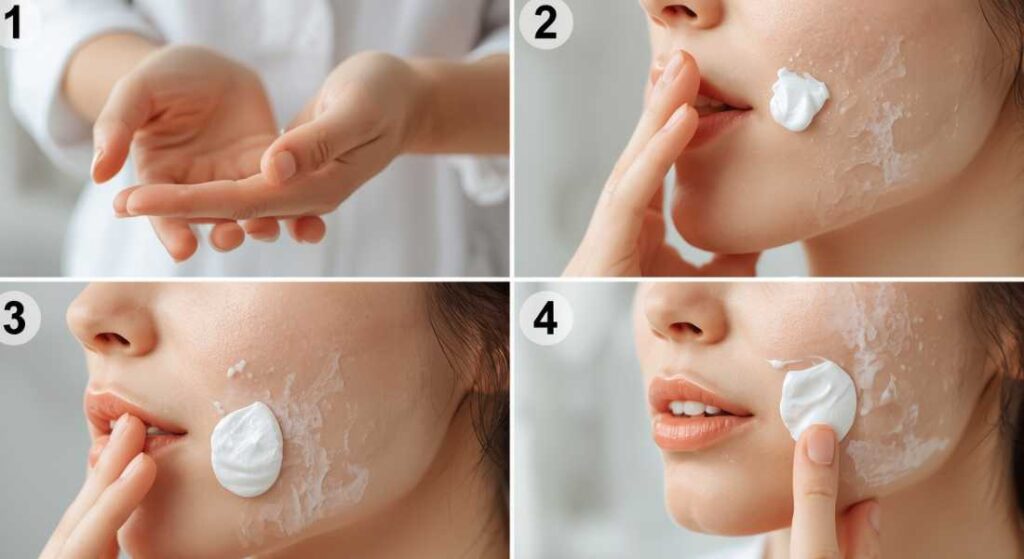
Correct application ensures maximum effectiveness while minimizing potential side effects. Following specific guidelines for cleaning, applying, and covering treated areas makes a significant difference in treatment outcomes. Patients who understand proper techniques experience faster healing and fewer complications.
Timing, frequency, and amount of medication applied all influence therapeutic results. Developing a consistent routine helps maintain steady drug levels in affected skin tissue.
Preparation Steps
Clean the affected area gently with mild soap and lukewarm water before application. Pat the skin dry with a soft towel rather than rubbing, which can increase irritation. Wait a few minutes to ensure the skin is completely dry, as moisture can dilute the medication.
Wash your hands thoroughly before touching the medication. This prevents contamination of the product and reduces the risk of spreading infection. Keep the medication container tightly closed when not in use to maintain potency.
Application Method
Apply a thin layer of medication to affected areas only, avoiding healthy surrounding skin. Gently rub the product into the skin until it disappears completely. Using too much medication does not improve results and may increase side effect risks.
Follow the prescribed frequency carefully, whether once daily, twice daily, or as otherwise directed. Apply at consistent times each day to maintain therapeutic levels. Avoid covering treated areas with tight bandages unless specifically instructed by your healthcare provider.
Treatment Duration
Most conditions improve within one to two weeks of consistent use. Continue treatment for the full prescribed duration even if symptoms disappear earlier. Stopping too soon may allow inflammation to return quickly.
Long-term use requires periodic evaluation by your healthcare provider. Extended application can lead to skin thinning and other complications. Your doctor may recommend tapering the medication gradually rather than stopping abruptly.
Potential Side Effects and Risks
Like all medications, this treatment can cause adverse effects ranging from mild to serious. Understanding possible reactions helps patients recognize problems early and seek appropriate medical attention. Most side effects occur with prolonged use or application to large skin areas.
Monitoring your skin during treatment allows early detection of complications. Report any concerning changes to your healthcare provider promptly.
Common Mild Effects
Skin burning or stinging immediately after application affects some users initially. This sensation typically decreases with continued use as inflammation subsides. Temporary skin dryness or itching may also occur during the first few days of treatment.
Skin color changes in treated areas sometimes develop, particularly in people with darker skin tones. These changes usually fade after stopping the medication, though complete resolution may take months. Using the lowest effective dose reduces the risk of pigmentation problems.
Serious Complications
Prolonged use can cause skin atrophy, making the tissue thin, fragile, and prone to tearing. Stretch marks may develop in areas where long-term application occurs. These changes can become permanent if treatment continues despite warning signs.
Topical corticosteroid withdrawal syndrome affects some patients who use high-potency products extensively. Discontinuing the medication suddenly triggers intense burning, redness, and flaking. Healthcare providers manage this condition through gradual dose reduction and supportive care.
Systemic Absorption Concerns
Excessive application or use on large body areas allows medication absorption into the bloodstream. This systemic exposure can affect hormone levels and other bodily functions. Children face higher risks due to their larger skin surface area relative to body weight.
Signs of systemic absorption include weight gain, rounded face, mood changes, and irregular menstrual periods. Contact your doctor immediately if these symptoms develop during treatment. Regular monitoring helps detect problems before they become serious.
Important Safety Precautions
Following safety guidelines protects against complications and ensures optimal treatment outcomes. Certain situations require extra caution or alternative treatments. Being aware of contraindications and special considerations promotes safe medication use.
Always inform healthcare providers about all medications, supplements, and health conditions before starting this treatment. Drug interactions and medical conditions can influence safety and effectiveness.
Who Should Avoid This Treatment
Patients with active skin infections should not use this medication without concurrent antimicrobial therapy. The immunosuppressive effects can allow infections to spread and worsen. Your doctor will treat any infections before starting corticosteroid treatment.
People with hypersensitivity to corticosteroids or other ingredients in the formulation must avoid this medication. Allergic reactions can cause severe skin damage and systemic problems. Patch testing may identify sensitivities before widespread application.
Pregnancy and Breastfeeding
Pregnant women should use this medication only when clearly needed and under medical supervision. Animal studies show potential risks to developing fetuses with excessive exposure. Healthcare providers weigh benefits against risks when prescribing to pregnant patients.
Breastfeeding mothers should avoid applying medication to the breast area where infants might ingest it. Small amounts may pass into breast milk when used on large skin areas. Discuss alternative treatments or application strategies with your doctor.
Special Populations
Elderly patients may experience increased sensitivity to corticosteroid side effects. Their thinner skin absorbs medication more readily and heals more slowly from adverse effects. Lower doses and shorter treatment durations often work better for older adults.
Children require special dosing considerations due to higher absorption rates and greater surface area to body weight ratios. Pediatric formulations with lower potency reduce risks while still providing therapeutic benefits. Never use adult-strength products on children without specific medical guidance.
Maximizing Treatment Effectiveness
Several strategies enhance therapeutic outcomes while minimizing side effect risks. Combining medication with proper skin care creates optimal conditions for healing. Understanding how lifestyle factors influence treatment helps patients achieve better results.
Consistency in application technique and timing produces more predictable outcomes. Small adjustments in your routine can significantly impact treatment success.
Complementary Skin Care
Regular moisturizing helps restore and maintain the skin barrier function alongside medication use. Apply moisturizer after the medicated product absorbs completely, typically waiting 10 to 15 minutes. Choose fragrance-free, hypoallergenic products to avoid additional irritation.
Gentle cleansing removes dirt and irritants without stripping natural skin oils. Use lukewarm water instead of hot water, which can worsen dryness and inflammation. Pat skin dry rather than rubbing to prevent mechanical irritation.
Lifestyle Modifications
Identifying and avoiding triggers that worsen your skin condition enhances treatment effectiveness. Common triggers include certain fabrics, harsh soaps, extreme temperatures, and stress. Keeping a symptom diary helps identify personal trigger patterns.
Stress management through relaxation techniques, exercise, and adequate sleep supports skin healing. Psychological stress can trigger inflammatory responses that counteract medication benefits. Incorporating stress reduction strategies improves overall treatment outcomes.
Monitoring Progress
Track symptom improvements and any side effects throughout treatment. Take photos of affected areas weekly to document visible changes. This objective record helps healthcare providers assess treatment effectiveness during follow-up visits.
Note any factors that seem to improve or worsen your condition. Share this information with your doctor to optimize your treatment plan. Regular communication ensures timely adjustments when needed.
Storage and Handling Guidelines
Proper storage maintains medication potency and prevents contamination. Following manufacturer recommendations ensures the product remains safe and effective throughout its shelf life. Improper storage can reduce therapeutic benefits and potentially create harmful degradation products.
Understanding expiration dates and disposal methods promotes safe medication use. Never use expired products, as their effectiveness and safety cannot be guaranteed.
Storage Conditions
Keep the medication at room temperature away from direct sunlight and heat sources. Extreme temperatures can alter the formulation and reduce effectiveness. Bathroom medicine cabinets often experience humidity and temperature fluctuations that can degrade products.
Store the container tightly closed to prevent contamination and evaporation. Keep medications out of reach of children and pets. Consider using a locked cabinet if young children live in or visit your home.
Expiration and Disposal
Check expiration dates before each use and discard outdated medications properly. Expired products may lose potency or develop harmful bacterial growth. Do not flush medications down toilets or drains unless specifically instructed.
Many communities offer medication take-back programs for safe disposal. Contact your local pharmacy or waste management facility for disposal options. If no programs exist, mix expired medication with undesirable substances like coffee grounds before discarding in household trash.
When to Contact Your Healthcare Provider
Certain situations require immediate medical attention during treatment. Recognizing warning signs prevents complications and ensures appropriate care. Never hesitate to contact your healthcare provider with concerns about your treatment.
Regular follow-up appointments allow monitoring of treatment progress and early detection of problems. Maintaining open communication with your medical team optimizes outcomes.
Emergency Situations
Severe allergic reactions including difficulty breathing, facial swelling, or widespread hives require emergency care. Stop using the medication immediately and seek urgent medical attention. These reactions, though rare, can become life-threatening without prompt treatment.
Signs of severe skin infection such as increasing pain, warmth, swelling, or pus formation need immediate evaluation. The medication may suppress immune responses that normally fight infections. Your doctor may need to prescribe antibiotics or adjust your treatment.
Routine Concerns
Contact your healthcare provider if symptoms do not improve after two weeks of consistent use. Lack of improvement may indicate an incorrect diagnosis or need for stronger treatment. Some conditions require different therapeutic approaches.
Development of new symptoms or worsening of existing problems during treatment warrants medical evaluation. Your condition may be progressing despite treatment, or side effects may be developing. Timely assessment prevents unnecessary complications.
Frequently Asked Questions
How quickly does Skinpres T work?
Initial effects often begin within 24 to 48 hours of starting treatment. However, visible improvements in skin appearance typically take 3 to 7 days. Complete resolution of symptoms may require 2 to 4 weeks of consistent use depending on condition severity.
Can I use this medication on my face?
Facial skin is thinner and more sensitive than other body areas. Use this treatment on your face only if specifically prescribed by your healthcare provider. Lower potency formulations are generally safer for facial application to minimize side effect risks.
What happens if I miss a dose?
Apply the medication as soon as you remember if it is close to the scheduled time. If the next dose is approaching, skip the missed application and resume your regular schedule. Never double the amount to compensate for missed doses.
Can I use makeup over treated areas?
Wait at least 10 to 15 minutes after applying the medication before using cosmetics. This allows proper absorption and prevents dilution of the active ingredients. Choose non-comedogenic makeup products that will not clog pores or worsen skin conditions.
Is it safe to use during summer?
You can use this medication year-round, but treated skin may become more sensitive to sunlight. Apply sunscreen over treated areas when going outdoors. Wear protective clothing and seek shade to prevent sun damage to healing skin.
How long can I safely use this treatment?
Short-term use for 2 to 4 weeks is generally safe for most people. Extended use beyond 4 weeks requires medical supervision and periodic evaluation. Your healthcare provider will determine the appropriate treatment duration based on your specific condition.
Conclusion
This topical medication offers effective relief for various inflammatory skin conditions when used correctly. Understanding proper application techniques, potential side effects, and safety precautions helps you achieve the best possible outcomes. Always follow your healthcare provider’s instructions carefully and maintain open communication about your treatment progress.
Remember that this treatment is one component of comprehensive skin care. Combining medication with proper moisturizing, trigger avoidance, and healthy lifestyle habits creates optimal conditions for healing. Regular monitoring and timely communication with your medical team ensure safe and effective management of your skin condition.
Your skin health deserves attention and proper care. With the right knowledge and consistent treatment approach, you can successfully manage inflammatory skin conditions and improve your quality of life.